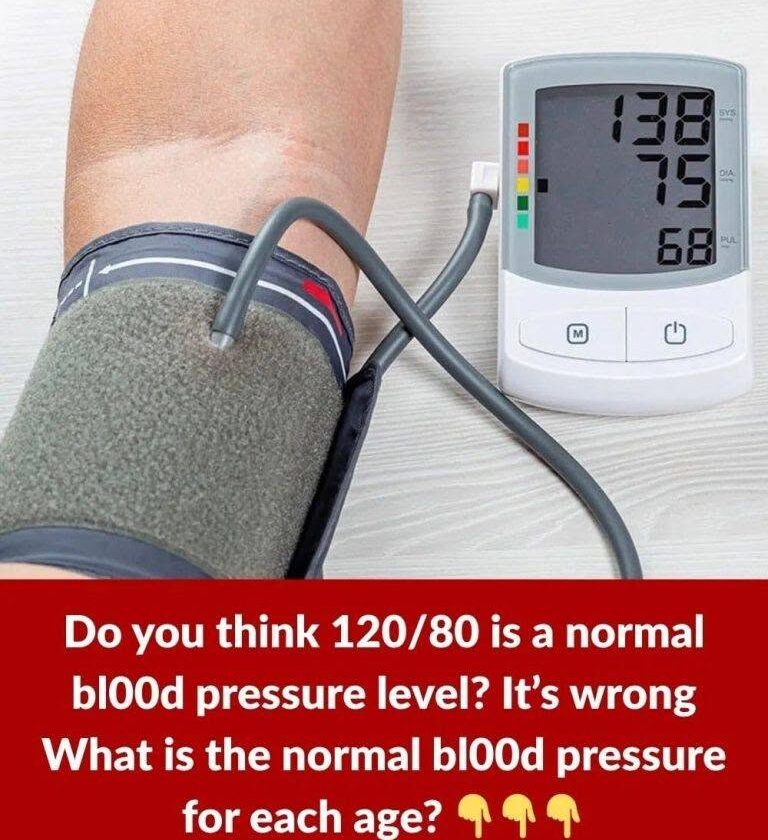
What Is the Normal Blood Pressure for Each Age?
A common misconception is that blood pressure has a completely different “normal” number for every age. In reality, healthy blood pressure targets are based on your overall health, medical conditions, and risk factors—not age alone.
Blood pressure is measured in mmHg and has two numbers:
- Systolic (top number): pressure when your heart beats
- Diastolic (bottom number): pressure when your heart relaxes
General blood pressure categories for adults
| Reading | Meaning |
|---|---|
| Below 120/80 mmHg | Normal range for many adults |
| 120–129 and below 80 | Elevated |
| 130–139 or 80–89 | High blood pressure (Stage 1) |
| 140 or higher or 90 or higher | High blood pressure (Stage 2) |
| 180/120 or higher | Very high — needs urgent attention, especially with symptoms |
Approximate healthy targets by age group
Ages 18–39
- Often considered healthy: around below 120/80 mmHg
- Lifestyle habits strongly influence future heart health.
Ages 40–59
- Many adults are advised to aim for below 130/80 mmHg, depending on health status.
- Monitoring becomes increasingly important.
Ages 60 and older
- Blood pressure goals are individualized.
- Many older adults can still aim for below 130/80 mmHg, but doctors may adjust targets based on:
- Overall health
- Medication effects
- Fall risk
- Kidney function
- Other conditions
Why blood pressure may change with age
Blood vessels can become less flexible over time, which may cause systolic pressure to rise. However, high blood pressure is not simply a normal part of aging and should be monitored