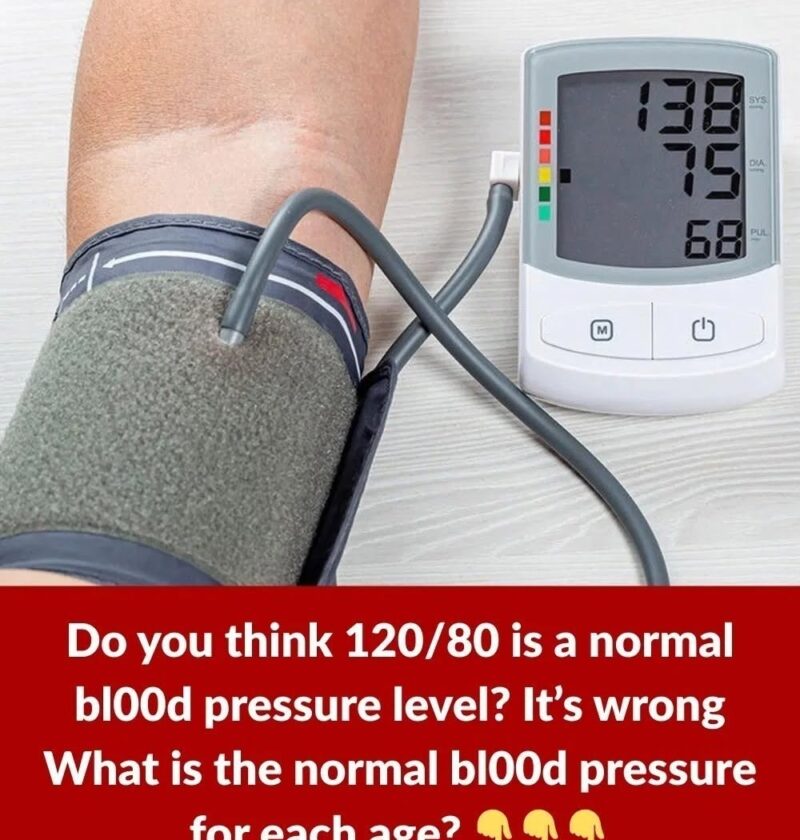
Blood pressure doesn’t have completely different “normal values” for every age in adults—the modern medical view is that a healthy adult target is mostly the same regardless of age, with only slight differences in children and older adults.
Here’s a clear breakdown:
🧒 Children (approximate ranges vary by height/age)
- Preschool (3–5 years): ~95–105 / 55–70 mmHg
- School age (6–12 years): ~97–112 / 57–74 mmHg
- Teens (13–17 years): ~110–120 / 65–80 mmHg
🧑 Adults (18–59 years)
- Normal: about 90–120 / 60–80 mmHg
- Ideal: around 120/80 mmHg or lower
🧓 Older adults (60+ years)
- Often slightly higher is seen, but still considered healthy if controlled:
- Around 120–130 / 70–80 mmHg is common
- Doctors may accept slightly higher systolic pressure in some elderly people, but:
- 130/80 mmHg or above = hypertension range
⚠️ Modern medical categories (important)
These apply to most adults:
- Normal: <120 / <80
- Elevated: 120–129 / <80
- High (Stage 1): 130–139 / 80–89
- High (Stage 2): ≥140 / ≥90
- Emergency: ≥180 / ≥120 (seek urgent care)
This is based on guidelines for Hypertension.
🧠 Key takeaway
- There is no separate “perfect BP” for every age
- The main goal is usually: below 120/80 mmHg in adults
- Trends matter more than single readings
If you want, I can also tell you:
- What BP is dangerous for you specifically
- How to lower it naturally
- Or how to measure it correctly at home