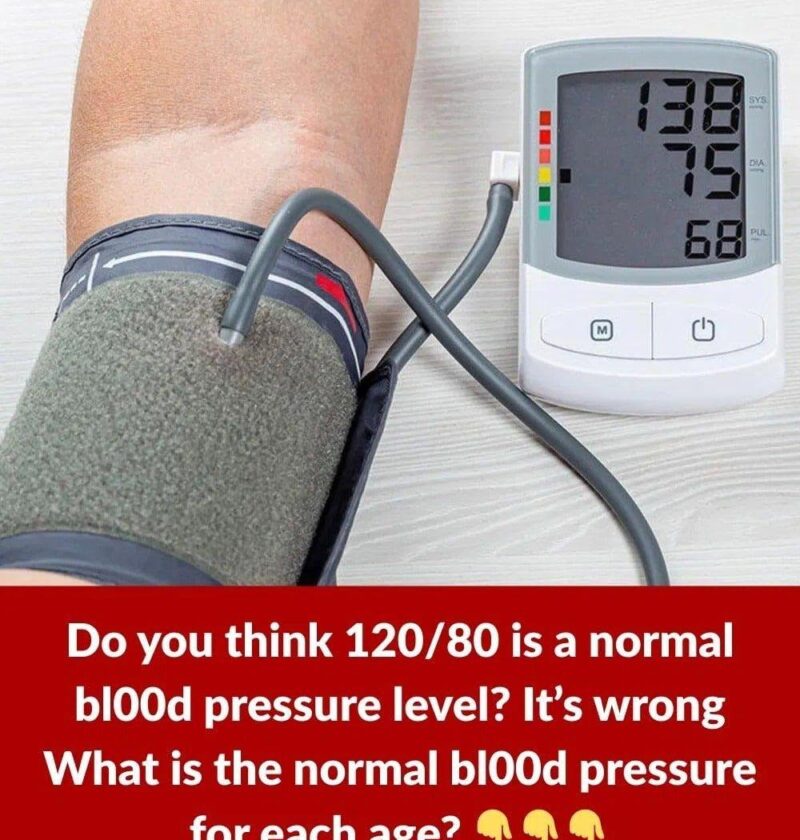
Blood pressure doesn’t have completely different “normal values for each age” in modern medicine. Instead, doctors use standard adult targets, with slight adjustments for children and some older adults.
Here’s a clear, age-wise guide:
🩺 What is normal blood pressure?
Blood pressure is measured as:
- Systolic (top number) = pressure when the heart beats
- Diastolic (bottom number) = pressure when the heart rests
Example: 120/80 mmHg
👶 Children (1–12 years)
For children, normal BP depends on age, height, and sex (percentile charts).
General range:
- ~90/60 to 110/70 mmHg
👉 Kids naturally have lower BP than adults.
🧑 Teenagers (13–18 years)
- Normal: ~110/70 to 120/80 mmHg
- Elevated: 120–129 / <80
- High: ≥130/80 (in older teens)
🧑 Adults (18–59 years)
This is the standard reference range:
✅ Normal:
- Less than 120/80 mmHg
⚠️ Elevated:
- 120–129 / <80
⚠️ High blood pressure:
- Stage 1: 130–139 / 80–89
- Stage 2: ≥140 / ≥90
👴 Older adults (60+ years)
Older arteries become stiffer, so readings may be slightly higher.
Generally acceptable:
- 120–130 / 70–80 mmHg
Still considered controlled (depending on doctor):
- Up to 130–139 systolic
High:
- ≥140/90 mmHg
👉 Doctors balance BP control with fall risk in older people.
📉 Low blood pressure (all ages)
- Below 90/60 mmHg
May cause:
- dizziness
- weakness
- fainting
(Some people naturally run low and feel fine.)
🚨 Dangerous blood pressure levels
- ≥180/120 mmHg = medical emergency
Especially if symptoms like: - chest pain
- severe headache
- vision changes
- breathlessness
🧠 Key modern takeaway
There is no “normal BP that increases with age” anymore.
For most people:
✔️ Ideal target: below 120/80 mmHg
🧾 Simple summary
- 👶 Kids: ~90/60–110/70
- 🧑 Teens: ~110/70–120/80
- 🧑 Adults: <120/80 ideal
- 👴 Elderly: ~120–130/70–80 often acceptable
If you want, I can also give you:
- A BP chart showing mild vs severe hypertension
- Foods that naturally lower blood pressure
- Or how to measure BP correctly at home (many people do it wrong)