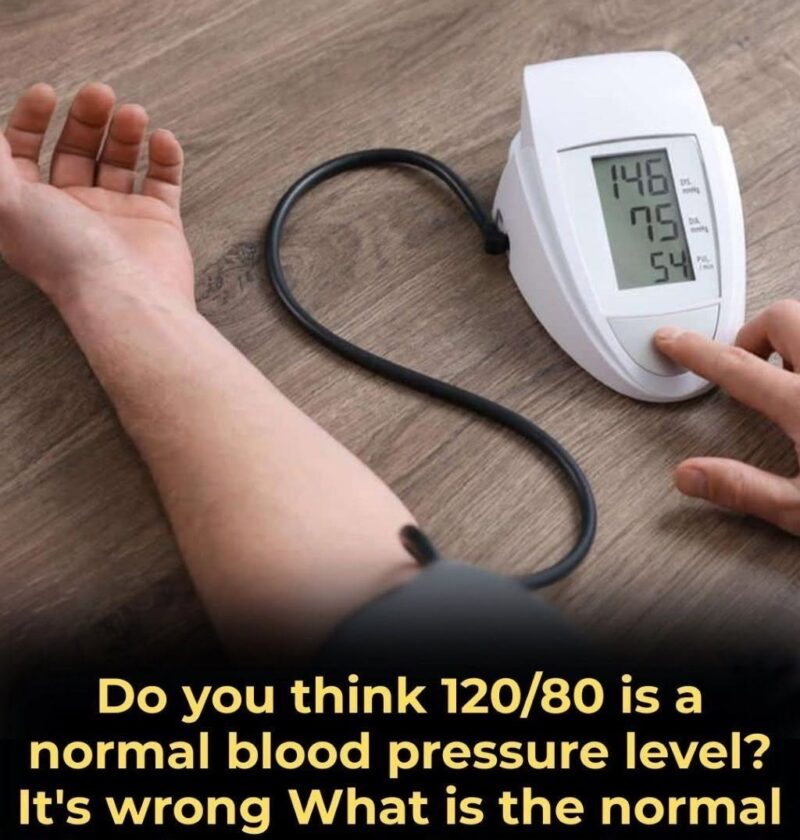
“Normal blood pressure” doesn’t change dramatically by age in modern medical guidelines. Most doctors now use a single adult target range, because cardiovascular risk rises even when “slightly high” readings occur in older age.
Standard blood pressure categories (adults)
- Normal: less than 120/80 mmHg
- Elevated: 120–129 / less than 80
- High blood pressure (Stage 1): 130–139 / 80–89
- High blood pressure (Stage 2): 140+/90+
- Emergency: 180+/120+ (needs urgent care if symptoms)
“Normal BP by age” (what’s actually realistic)
Children
Blood pressure is lower and depends on height and age, not a fixed number:
- Rough range: 90/60 to 110/70 mmHg
Teens (13–17 years)
- Typical range: 105/65 to 120/80 mmHg
- Adult thresholds are usually applied after age 13
Adults (18–59 years)
- Ideal: <120/80 mmHg
- Many healthy people fall around: 110–120 / 70–80
Older adults (60+ years)
- Still ideally: <120/80 mmHg
- Acceptable in many cases (depending on doctor and health):
around 120–130 / 70–80
Some older guidelines allowed higher targets, but newer evidence shows lower is generally better if tolerated safely.
Key point most people miss
There is no age where 140/90 is considered “normal.”
It may be “common” in older adults, but it still increases risk of:
- Stroke
- Heart disease
- Kidney damage
When BP is concerning regardless of age
- Consistently 130/80 or higher → worth monitoring
- 140/90 or higher repeatedly → likely hypertension
- Sudden very high readings with symptoms → urgent evaluation
If you want, I can also explain:
- why BP rises with age in some people
- how to lower it naturally
- or how to measure it correctly at home (most people do it wrong)