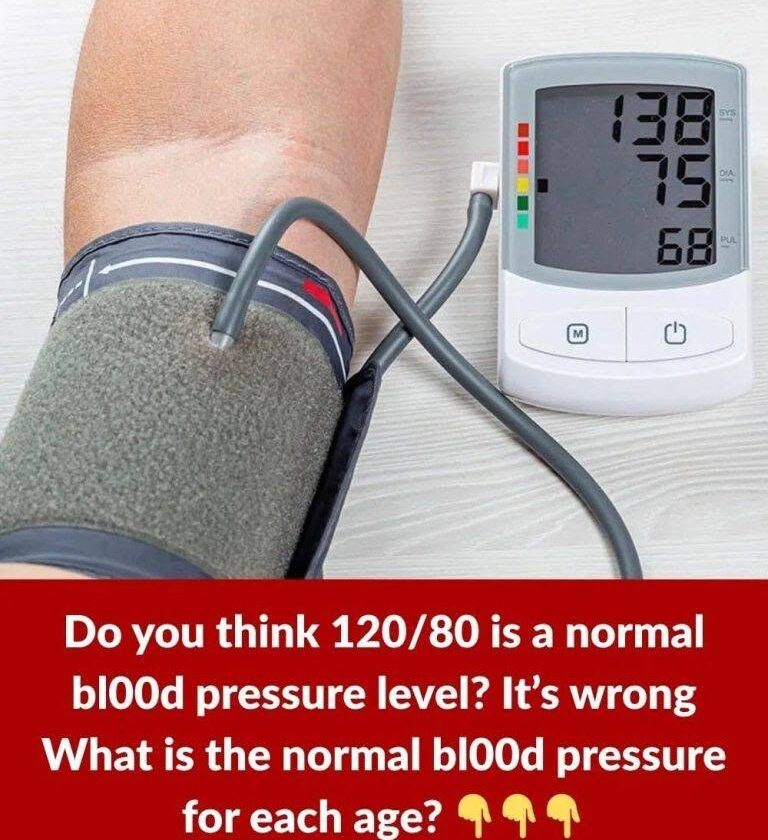
What Is the Normal Blood Pressure for Each Age?
Blood pressure does not have one exact “normal” number for every age. It can vary based on genetics, activity level, health conditions, medications, and lifestyle. However, general adult guidelines help show what ranges are considered healthy.
Blood pressure is written as systolic/diastolic:
- Systolic (top number): pressure when the heart beats
- Diastolic (bottom number): pressure when the heart relaxes
General Blood Pressure Ranges by Age
| Age Group | Common Healthy Range (Approx.) |
|---|---|
| Children | Varies greatly by age, height, and sex; assessed using pediatric charts |
| Teens (13–17) | Around 90–120 / 60–80 mmHg |
| Adults (18–39) | Around 90–120 / 60–80 mmHg |
| Adults (40–59) | Around 100–130 / 60–80 mmHg |
| Adults 60+ | Often around 100–130 / 60–80 mmHg, depending on health and individual goals |
Blood Pressure Categories for Adults
- Normal: Less than 120/80 mmHg
- Elevated: 120–129 systolic and less than 80 diastolic
- High blood pressure (Stage 1): 130–139 systolic or 80–89 diastolic
- High blood pressure (Stage 2): 140+ systolic or 90+ diastolic
- Hypertensive crisis: 180+ systolic and/or 120+ diastolic — requires urgent medical attention, especially with symptoms
Does Blood Pressure Naturally Rise With Age?
Blood vessels can become less flexible as people age, and systolic blood pressure may increase. However, high blood pressure should not simply be considered a normal part of aging because it increases the risk of:
- Stroke
- Heart disease
- Kidney disease
- Vision problems
How to Get an Accurate Reading
For a reliable measurement:
- Sit quietly for about 5 minutes before checking
- Keep your feet flat on the floor
- Rest your arm at heart level
- Avoid measuring immediately after exercise, caffeine, or smoking
- Take multiple readings on different days
When to Seek Medical Advice
Contact a healthcare professional if:
- Your readings are repeatedly 130/80 or higher
- Your blood pressure is 180/120 or higher
- You have symptoms such as chest pain, severe headache, weakness, confusion, shortness of breath, or vision changes
Bottom line: A healthy blood pressure for most adults is generally below 120/80 mmHg, but the ideal target may differ depending on age, overall health, and medical history.