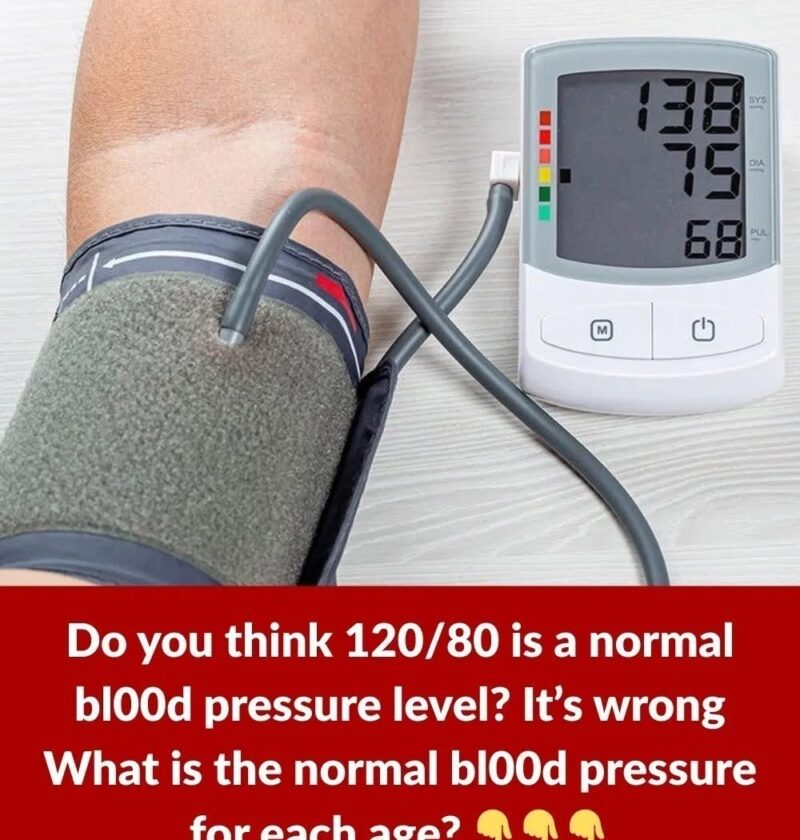
What Is the Normal Blood Pressure for Each Age? ❤️🩺
Blood pressure does not have one exact “normal” number for every age. It depends on your overall health, medications, and risk factors. In general, a healthy adult blood pressure is often around below 120/80 mmHg, but targets may differ—especially for older adults.
Typical Blood Pressure Ranges by Age (General Guide)
👶 Children
Blood pressure varies greatly depending on age, height, and development. Pediatric charts are used rather than a single number.
👦 Teens (13–17 years)
Often similar to adult ranges:
- Around less than 120/80 mmHg is generally considered healthy.
🧑 Adults (18–39 years)
- Common healthy range: approximately 90/60 to below 120/80 mmHg
👨 Adults (40–59 years)
- Many adults remain healthiest with readings around below 120/80 mmHg
- Regular monitoring becomes more important as risk factors increase.
👴 Adults 60+
- Blood pressure goals are individualized.
- Many older adults are advised to aim for a range that keeps blood pressure controlled while avoiding dizziness, falls, or overly low readings.
Understanding Your Numbers:
❤️ Systolic pressure (top number): Pressure when the heart beats.
❤️ Diastolic pressure (bottom number): Pressure when the heart relaxes.
General categories for adults:
- ✅ Normal: Below 120 / below 80
- ⚠️ Elevated: 120–129 / below 80
- ⚠️ High blood pressure: 130/80 or higher (depending on guidelines and repeated readings)
Tips for more accurate readings:
✔ Rest quietly for 5 minutes before checking.
✔ Sit with your back supported and feet flat on the floor.
✔ Avoid caffeine, exercise, or smoking shortly before measuring.
✔ Take multiple readings at different times.
⚠️ A single high reading does not always mean you have hypertension. However, consistently high readings should be discussed with a healthcare professional.
The best blood pressure goal depends on your age, medical history, medications, and overall health—not age alone.