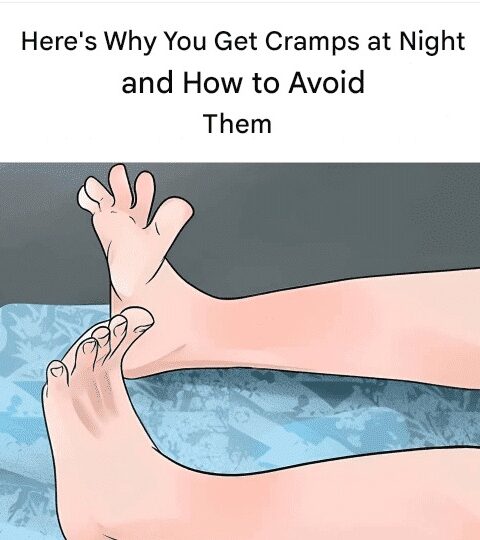
Night cramps (often called Nocturnal leg cramps) are sudden, painful muscle contractions—usually in the calves or feet during sleep. They’re common, but some people are much more at risk than others.
Here are the main high-risk groups:
1) Older adults
Risk increases significantly with age due to:
- Reduced muscle flexibility
- Nerve changes
- Less physical activity during the day
2) Pregnant women
Especially in the 2nd and 3rd trimester due to:
- Changes in blood circulation
- Increased pressure on leg muscles
- Mineral shifts (calcium/magnesium)
3) People who are dehydrated or low in electrolytes
Low levels of:
- Magnesium
- Potassium
- Calcium
can make muscles more “irritable,” especially at night.
4) People with diabetes
Diabetes mellitus can damage nerves over time (diabetic neuropathy), increasing cramp risk.
5) People with kidney problems
In Chronic kidney disease, electrolyte imbalance and toxin buildup can contribute to muscle cramps.
6) Athletes or people who overuse muscles
- Intense exercise
- Long standing or walking
- Poor stretching afterward
Muscles become fatigued and cramp more easily at night.
7) People taking certain medications
Higher risk if using:
- Diuretics (“water pills”)
- Statins (cholesterol drugs)
- Some asthma medications
These can affect fluid or electrolyte balance.
8) People who sit or stand too long during the day
Reduced circulation in the legs increases nighttime muscle tightness.
When to worry
Occasional cramps are common, but see a doctor if:
- They happen frequently (several times a week)
- They disturb sleep regularly
- You also have swelling, weakness, or numbness
Bottom line
Night cramps usually happen when nerves, muscles, hydration, or minerals are out of balance, and risk rises with age, pregnancy, chronic illness, and certain medications.
If you want, I can also show the fastest ways to stop a cramp in under 60 seconds + long-term prevention routine.