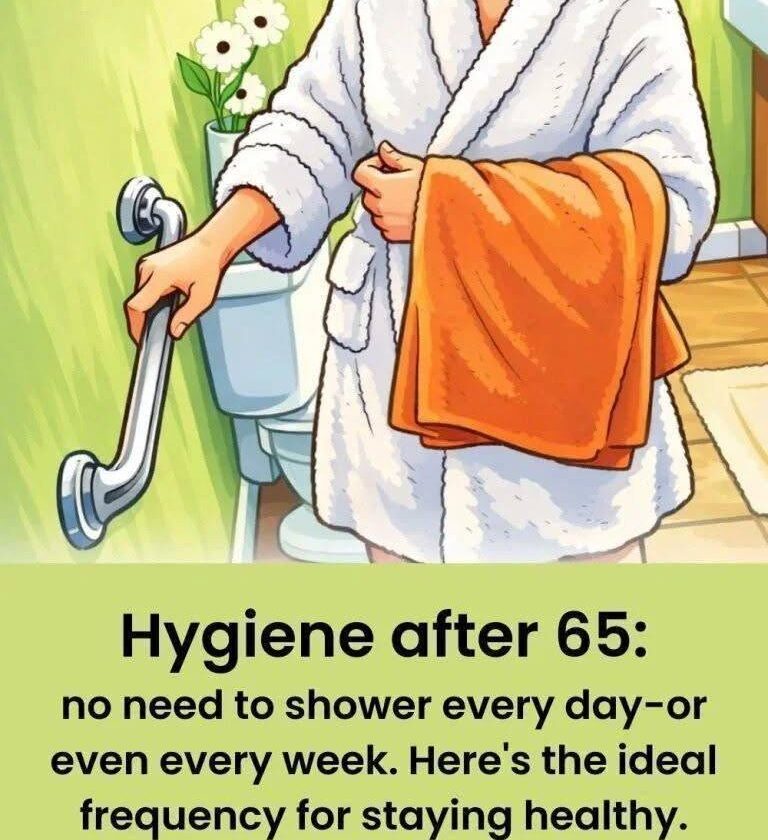
Why Daily Showers After 65 May Do More Harm Than Good
As people get older, their skin changes. It often becomes thinner, drier, and more sensitive, which means shower habits that worked well when they were younger may sometimes cause problems. However, daily showers are not automatically harmful—what matters most is how you shower and your individual skin needs.
1. They can dry out aging skin
Older skin produces less natural oil, and frequent washing—especially with hot water—can remove protective oils. This may lead to:
- Dryness
- Flaking
- Tight or uncomfortable skin
- Increased sensitivity
2. Hot water can weaken the skin barrier
Long, hot showers may strip away moisture and make it easier for irritation or small cracks to develop.
3. Harsh soaps may cause irritation
Strong fragrances and antibacterial soaps can be drying. Many older adults benefit from using:
- Gentle, fragrance-free cleansers
- Soap only on areas that need it most (such as underarms and groin)
- Moisturizer after bathing
4. Frequent showering may worsen itching
Dry skin is a common cause of itching in older adults. Showering too often without moisturizing afterward can make it worse.
5. It may increase fall risk
Bathrooms can be hazardous, and frequent showers mean more exposure to:
- Slippery surfaces
- Wet floors
- Difficulty standing for long periods
Using grab bars, non-slip mats, and a shower seat can improve safety.
6. The “right” schedule varies
Some older adults do well showering daily, while others may be more comfortable with:
- Every other day
- A few times per week
- Spot cleaning between showers
The best routine depends on activity level, sweating, skin condition, medical needs, and personal preference