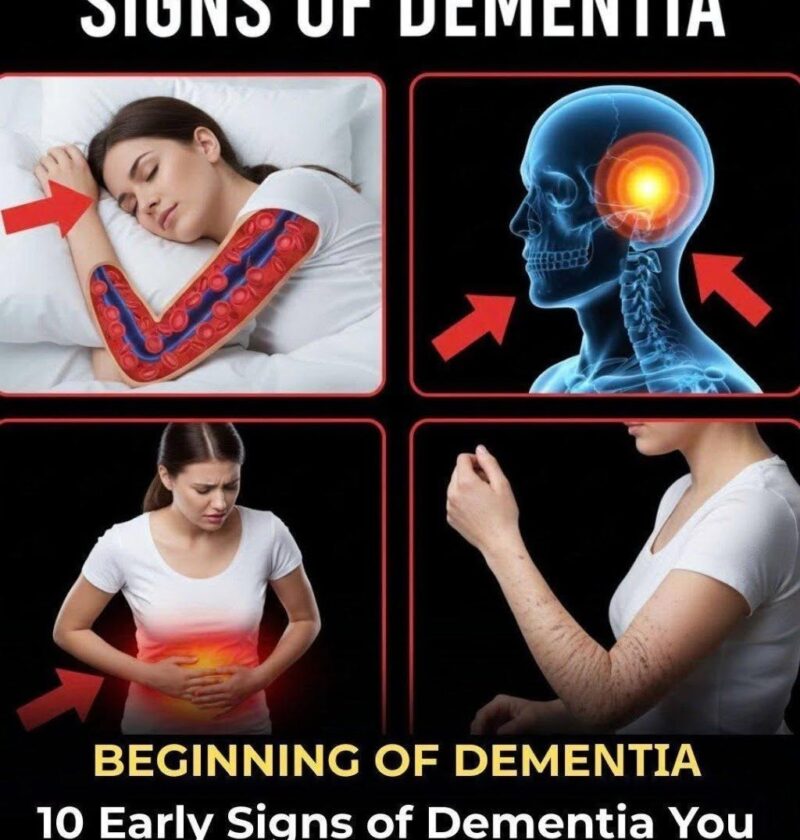
Dementia symptoms can develop gradually, and occasional forgetfulness is common with aging. However, certain changes are worth paying attention to—especially when they interfere with daily life or represent a noticeable change from a person’s usual abilities.
10 possible early warning signs of dementia:
- Memory loss that disrupts daily life
Forgetting recently learned information, repeating questions, or relying more heavily on reminders. - Difficulty planning or solving problems
Trouble following a familiar recipe, managing bills, organizing tasks, or making decisions. - Problems with familiar tasks
Struggling with routine activities such as driving a known route, using household appliances, or completing familiar work. - Confusion about time or place
Losing track of dates, seasons, locations, or becoming unsure how they arrived somewhere. - Trouble understanding visual information
Difficulty judging distances, recognizing objects, reading, or navigating spaces. - New problems with speaking or writing
Trouble finding words, following conversations, or repeating the same points. - Misplacing things and being unable to retrace steps
Putting items in unusual places and accusing others of stealing them. - Changes in mood, personality, or behavior
Increased anxiety, irritability, withdrawal, suspicion, or loss of interest in usual activities. - Loss of initiative
Becoming unusually passive or needing encouragement to participate in hobbies, social activities, or daily routines. - Poor judgment or changes in decision-making
Uncharacteristic financial mistakes, unsafe choices, or difficulty recognizing risks.
When to seek medical advice:
If memory or thinking changes are new, worsening, or affecting independence, it’s a good idea to discuss them with a healthcare professional. Some causes of cognitive changes—such as medication effects, vitamin deficiencies, thyroid problems, depression, infections, or sleep disorders—may be treatable.
A single forgotten name or misplaced item does not automatically mean dementia. The key concerns are patterns, progression, and impact on everyday life.