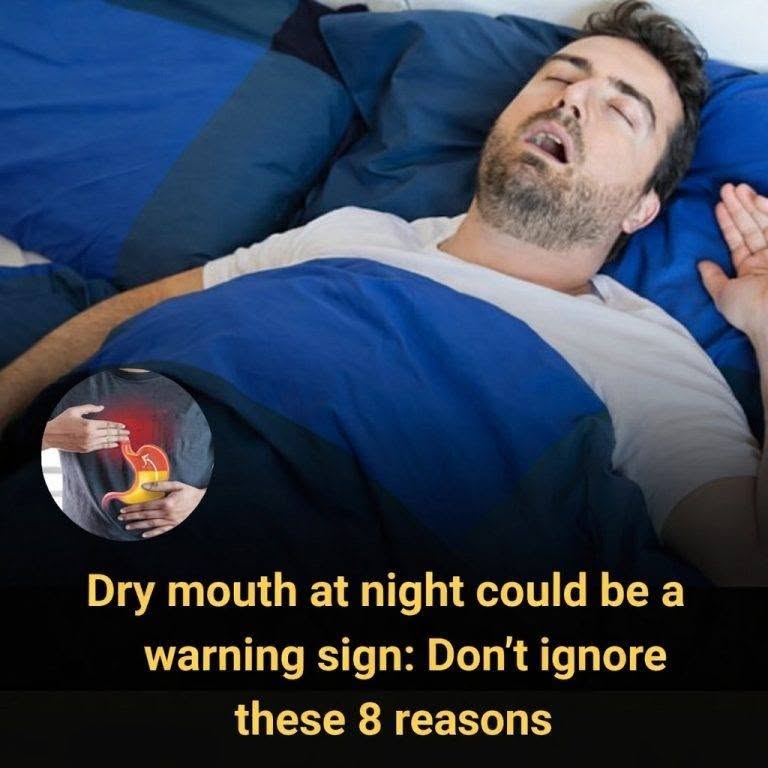
Dry mouth at night (also called xerostomia) is common and is often caused by mouth breathing, dehydration, medications, or certain medical conditions. While it’s usually not an emergency, persistent dry mouth shouldn’t be ignored because it can affect your oral health and sometimes point to an underlying issue.
Here are 8 warning signs to pay attention to:
- Dry or sticky feeling in your mouth upon waking
- The most common symptom. If it happens frequently, it may be worth investigating the cause.
- Difficulty swallowing or speaking
- Saliva helps lubricate your mouth and throat. Too little saliva can make talking and swallowing uncomfortable.
- Persistent bad breath
- Reduced saliva allows odor-causing bacteria to build up.
- Frequent cavities or tooth decay
- Saliva protects teeth from acids and bacteria. Chronic dry mouth increases the risk of dental problems.
- Sore throat or hoarse voice in the morning
- Often associated with sleeping with your mouth open or snoring.
- Burning sensation in the mouth or tongue
- Some people experience a burning or tingling feeling when saliva production is reduced.
- Cracked lips or sores at the corners of the mouth
- Dry tissues are more prone to cracking and irritation.
- Dry eyes or persistent thirst
- These symptoms, especially together, can sometimes indicate dehydration, medication side effects, or conditions such as autoimmune disorders.
Common causes
- Not drinking enough fluids
- Sleeping with your mouth open or nasal congestion
- Snoring or obstructive sleep apnea
- Medications (many allergy medicines, antidepressants, blood pressure medications, and others)
- Diabetes
- Smoking or vaping
- Excess alcohol or caffeine
- Autoimmune conditions that affect saliva production
What you can do
- Stay well hydrated during the day.
- Avoid alcohol and tobacco before bed.
- Use a humidifier if your bedroom air is dry.
- Treat nasal congestion if it’s causing mouth breathing.
- Maintain good oral hygiene and visit your dentist regularly.
- Consider sugar-free gum or lozenges during the day to stimulate saliva (not while sleeping).
When to see a healthcare professional
Arrange an evaluation if:
- Dry mouth persists for several weeks.
- You develop frequent cavities, mouth sores, or oral infections.
- You have excessive thirst, frequent urination, or unexplained weight loss.
- You snore heavily, gasp during sleep, or feel very sleepy during the day (possible sleep apnea).
- Dry mouth is accompanied by dry eyes, swollen glands, or joint pain.
A healthcare professional can help identify the underlying cause and recommend the most appropriate treatment.