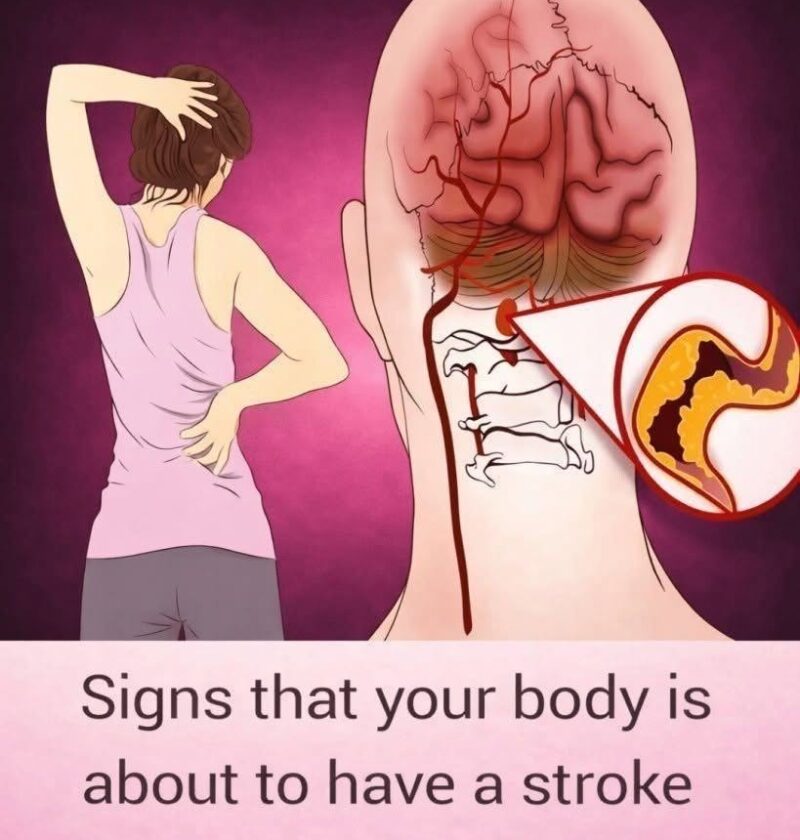
This one is actually useful territory—but it needs to be framed correctly. Stroke symptoms are real, time-critical, and not something to guess about or self-diagnose casually.
A stroke happens suddenly, and quick action can save brain function and life.
The most important rule: BE FAST
This is the standard medical shortcut:
- B – Balance: sudden dizziness, loss of coordination, trouble walking
- E – Eyes: sudden vision loss or double vision
- F – Face: one side droops when smiling
- A – Arms: one arm drifts downward when raised
- S – Speech: slurred or strange speech
- T – Time: call emergency services immediately
Other early warning signs can include:
- sudden numbness or weakness (especially one side of the body)
- sudden confusion or trouble understanding speech
- sudden severe headache with no clear cause
- sudden difficulty seeing in one or both eyes
- sudden trouble walking, dizziness, loss of balance
Very important context
- Stroke symptoms are sudden, not gradual over days.
- Even if symptoms go away quickly (like a “mini-stroke” or TIA), it still needs emergency evaluation.
- Waiting “to see if it improves” can cause permanent damage.
What NOT to do
- Don’t sleep it off
- Don’t take random medication
- Don’t wait for pain (strokes often are painless)
Bottom line
If someone shows even a few of these signs suddenly, treat it as an emergency and seek immediate medical help.
If you want, I can also explain how to tell the difference between a stroke and things that can mimic it (like migraines or low blood sugar), which is where people often get confused.