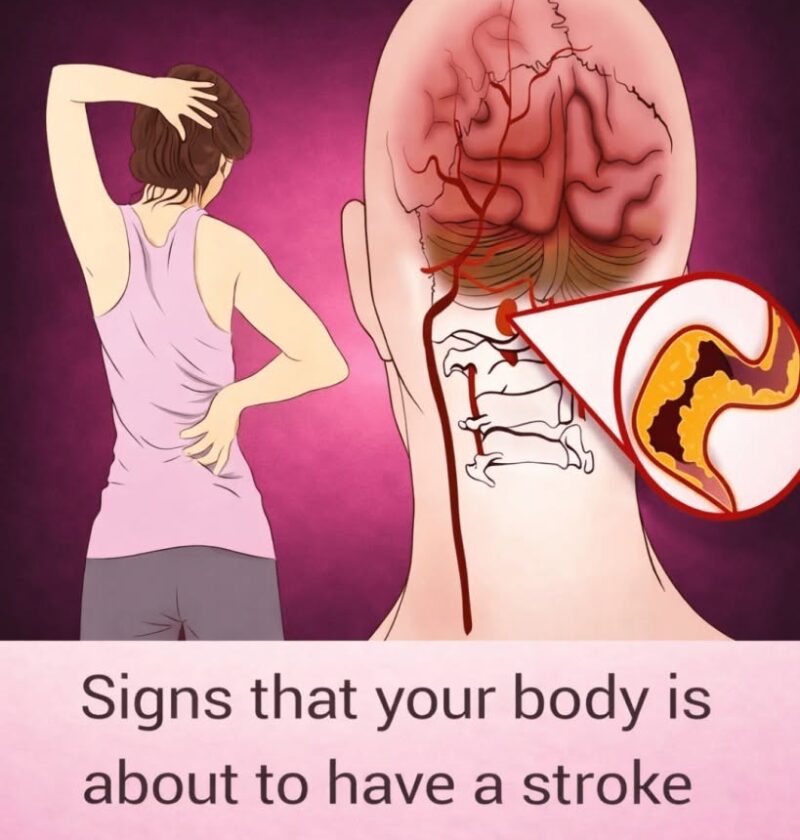
A stroke can happen suddenly, and recognizing the warning signs quickly can make a major difference. The most widely used way to remember stroke symptoms is FAST:
- F — Face drooping: One side of the face may droop or feel numb. Ask the person to smile and check if it looks uneven.
- A — Arm weakness: One arm may become weak, numb, or drift downward when both arms are raised.
- S — Speech difficulty: Speech may become slurred, confused, or difficult to understand.
- T — Time to call emergency services: If any of these signs appear, seek emergency help immediately.
Other possible early warning signs include:
- Sudden numbness or weakness
- Especially on one side of the body (face, arm, or leg).
- Sudden confusion or trouble understanding
- Difficulty following conversations or instructions.
- Sudden vision problems
- Blurred vision, loss of vision, or double vision in one or both eyes.
- Sudden severe headache
- A “worst headache of your life,” especially if it appears without a known cause.
- Sudden dizziness or loss of balance
- Trouble walking, coordination problems, or feeling unsteady.
- Sudden trouble speaking or finding words
- Even if the person seems alert.
- Sudden difficulty swallowing
- Sometimes accompanied by facial weakness or speech changes.
- Sudden weakness affecting one side
- A hand, leg, or side of the body may feel unusually heavy or difficult to move.
- Brief symptoms that go away (possible TIA)
- A “mini-stroke” can cause temporary symptoms but still requires urgent medical evaluation.
- Unusual behavior or sudden mental changes
- New confusion, agitation, or difficulty performing familiar tasks.
What to do: If stroke symptoms appear, call emergency services immediately. Do not wait to see if symptoms improve, and do not try to drive the person yourself if emergency transport is available.
Risk factors that increase stroke risk include high blood pressure, smoking, diabetes, high cholesterol, atrial fibrillation, and previous stroke or TIA. Regular checkups and managing these risks can lower the chance of stroke.