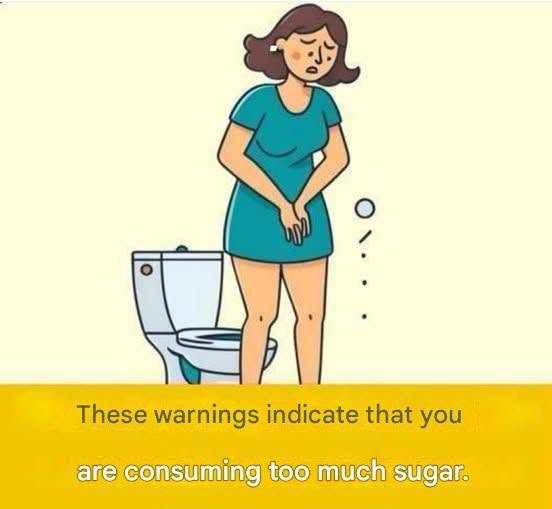
Eating a lot of added sugar over time can affect energy levels, appetite, teeth, weight, and metabolic health. The signs below can be associated with high sugar intake, but they are not proof by themselves—many other conditions can cause similar symptoms.
10 possible signs you may be eating too much sugar
- Frequent cravings for sweets
- Wanting sugary foods often, especially soon after eating, may suggest a high-sugar eating pattern.
- Energy spikes and crashes
- Feeling a quick boost followed by tiredness or sluggishness can happen after high-sugar meals.
- Increased hunger
- Sugary foods without enough protein or fiber may leave you feeling hungry again quickly.
- Difficulty maintaining weight
- Excess calories from sugary drinks and sweets can contribute to weight gain.
- More belly fat over time
- High intake of added sugars, especially from sugary beverages, is associated with increased body fat in some people.
- Mood changes
- Some people notice irritability or mood swings when their blood sugar rises and falls.
- Frequent dental problems
- Sugar feeds bacteria that contribute to tooth decay and cavities.
- Poor sleep or disrupted sleep
- High intake of sugary foods, especially late at night, may affect sleep quality for some people.
- Skin changes
- Some people notice worsening acne or skin issues with high-glycemic diets.
- Feeling thirsty or urinating often
- This can be a sign of high blood sugar, especially if it is persistent and accompanied by fatigue, blurred vision, or unexplained weight loss.
Ways to reduce added sugar:
- Choose water instead of sugary drinks.
- Read labels for added sugars.
- Eat more protein and fiber with meals.
- Choose whole fruits instead of juices or sweets.
- Reduce sugary snacks gradually rather than relying only on willpower.
If you have symptoms like excessive thirst, frequent urination, unexplained weight loss, or blurred vision, consider getting your blood glucose checked, as these can be signs of diabetes rather than just eating too much sugar.