11 Ways to Get Your Peace Lily to Bloom
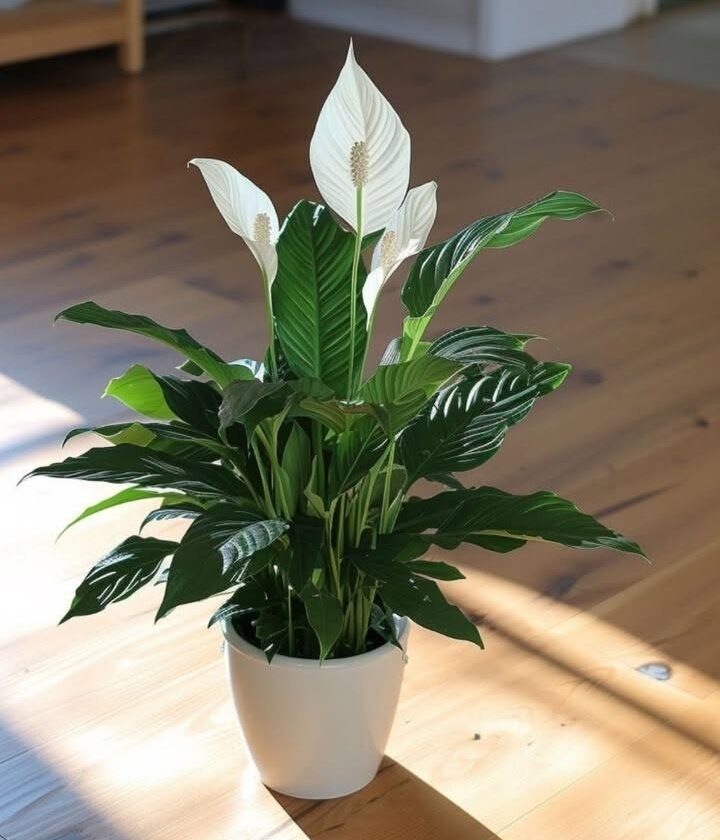
Peace lilies are popular houseplants known for their glossy green leaves and elegant white flowers. If your plant isn’t blooming, it often means one or more of its growing conditions need adjustment.
1. Give it bright, indirect light
Peace lilies bloom best with bright, indirect sunlight.
- Avoid harsh afternoon sun, which can scorch the leaves.
- Too little light often results in healthy leaves but few or no flowers.
2. Water consistently
Keep the soil slightly moist, but not soggy.
- Water when the top inch (2–3 cm) of soil feels dry.
- Empty excess water from the saucer to help prevent root rot.
3. Use well-draining potting mix
A light, well-draining indoor plant mix helps keep roots healthy while retaining enough moisture.
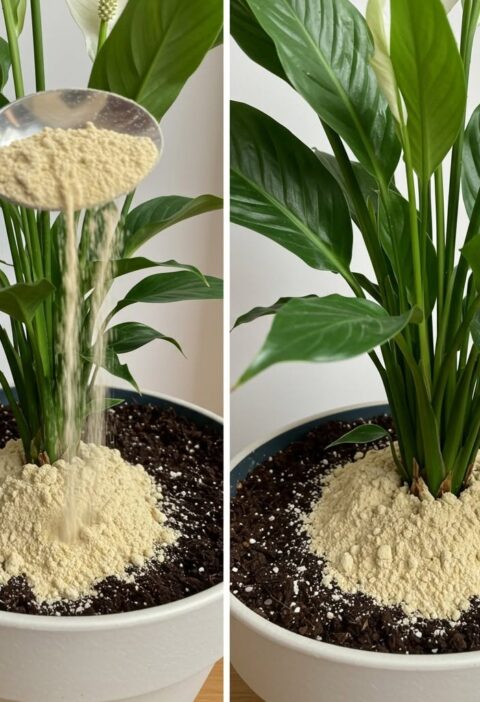
4. Fertilize during the growing season
Feed your peace lily with a balanced houseplant fertilizer according to the label directions during spring and summer.
Avoid overfertilizing, as too much fertilizer can reduce flowering or damage the plant.
5. Maintain warm temperatures
Peace lilies generally prefer temperatures between 65–80°F (18–27°C).
Protect them from:
- Cold drafts
- Air conditioners
- Heating vents
6. Increase humidity
These tropical plants enjoy moderate to high humidity.
You can:
- Mist the leaves occasionally.
- Use a pebble tray with water.
- Place a humidifier nearby if your home is very dry.
7. Repot only when necessary
Peace lilies often bloom well when they are slightly root-bound.
Repot only when roots are tightly circling the pot or growing out of the drainage holes.
8. Remove old flowers and damaged leaves
Cut off faded flower stalks and yellow or damaged leaves to help the plant direct energy toward new growth.
9. Keep the leaves clean
Dust can reduce the plant’s ability to capture light.
Wipe the leaves gently with a damp cloth every few weeks.
10. Be patient with young plants
A newly purchased or recently divided peace lily may need time before it begins flowering regularly.
11. Choose the right variety
Some peace lily varieties naturally flower more often than others. Even with excellent care, bloom frequency can vary depending on the cultivar and growing conditions.