Warning! Can Tablets Cause Blood Clots or Heart Attacks?
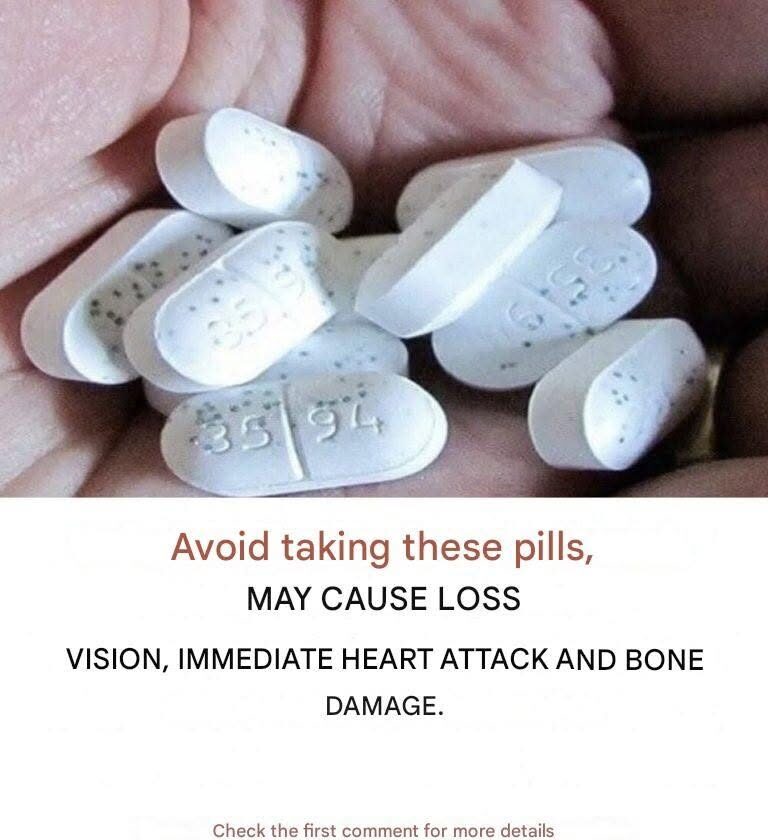
A headline like “These tablets can cause blood clots, blood thromboses, and heart attacks” is too broad to be accurate. Many medications are safe and effective when used as prescribed, but some can increase the risk of blood clots or cardiovascular events in certain people.
Medications that may increase the risk in some people
Examples include:
- Estrogen-containing birth control pills: These can increase the risk of blood clots, particularly in people who smoke, are over age 35, have obesity, or have certain inherited clotting disorders.
- Hormone replacement therapy (HRT): Some forms, especially oral estrogen, may raise the risk of blood clots.
- Some cancer treatments: Certain chemotherapy drugs and hormone therapies can increase clotting risk.
- Some medications used for inflammatory diseases: Certain drugs may carry warnings about cardiovascular risks in specific patients.
Having a listed risk does not mean the medication will cause a clot in most people. Healthcare providers weigh the benefits and risks before prescribing these medicines.
Factors that also increase clot risk
Your overall risk depends on more than medication. Important factors include:
- Smoking
- Older age
- Obesity
- Recent surgery or prolonged bed rest
- Pregnancy and the weeks after childbirth
- Cancer
- A personal or family history of blood clots
- Certain inherited clotting disorders
Warning signs of a blood clot
Seek immediate medical attention if you develop:
- Swelling, pain, warmth, or redness in one leg (possible deep vein thrombosis)
- Sudden shortness of breath
- Chest pain that worsens with breathing
- Coughing up blood
- Sudden weakness, facial drooping, or difficulty speaking (possible stroke)
- Chest pressure or pain that may spread to the arm, jaw, neck, or back (possible heart attack)
Don’t stop medication on your own
If you’re concerned about a medication’s side effects:
- Do not stop taking it without talking to your healthcare provider.
- Ask whether your personal risk factors change the balance of benefits and risks.
- Report any new or concerning symptoms promptly