Amlodipine is a commonly prescribed medicine for high blood pressure and angina (chest pain). It is generally well tolerated, but some habits, foods, and medicines can affect how you feel while taking it.
12 Things to Be Careful About While Taking Amlodipine
- Do not stop amlodipine suddenly
- Stopping it without medical advice can allow blood pressure to rise again and may increase heart risks.
- Avoid excessive alcohol
- Alcohol can lower blood pressure and may worsen dizziness or lightheadedness.
- Be cautious with grapefruit products
- Grapefruit is not a major interaction with amlodipine compared with some other calcium channel blockers, but large amounts may affect how some medicines are processed. Ask your healthcare professional if you regularly consume grapefruit.
- Avoid dehydration
- Not drinking enough fluids, especially in hot weather or during illness, can increase dizziness from low blood pressure.
- Be careful when standing up quickly
- Amlodipine can cause lightheadedness, especially when first starting or increasing the dose.
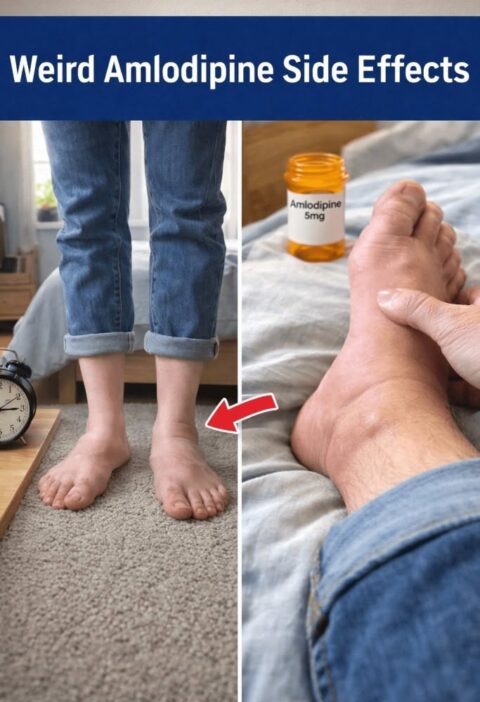
- Do not ignore severe swelling
- Ankle or foot swelling is a known side effect, but sudden or severe swelling should be checked.
- Avoid taking new supplements without checking
- Some supplements may affect blood pressure or interact with medicines.
- Be careful with other blood pressure medicines
- Combining medications that lower blood pressure can sometimes cause excessive lowering of blood pressure.
- Do not miss regular monitoring
- Blood pressure checks help ensure the medicine is working safely.
- Be cautious with certain heart medicines
- Some combinations may require monitoring by a healthcare professional.
- Avoid smoking if possible
- Smoking increases cardiovascular risk and can make blood pressure control harder.
- Do not ignore unusual symptoms
- Seek medical advice for fainting, severe dizziness, chest pain, trouble breathing, or signs of an allergic reaction.
Important
Amlodipine is prescribed because its benefits often outweigh its risks. If you experience side effects, discuss them with your healthcare professional rather than stopping the medicine on your own.
If you tell me your amlodipine dose (such as 5 mg or 10 mg) and any symptoms you’re having (for example ankle swelling, dizziness, or fatigue), I can help explain whether they may be related.