12 Things to Be Careful About While Taking Amlodipine
1. Large Amounts of Grapefruit or Grapefruit Juice
Grapefruit may affect the metabolism of some medications. The interaction with amlodipine is generally less significant than with certain other blood pressure drugs, but it’s still wise to ask your healthcare provider whether grapefruit is appropriate for you.
2. Skipping or Stopping the Medication Suddenly
Stopping amlodipine without medical guidance can allow blood pressure to rise again and may worsen chest pain in some people.
3. Excessive Alcohol Consumption
Alcohol can enhance blood-pressure-lowering effects, potentially leading to dizziness, lightheadedness, or fainting.
4. Taking More Than Prescribed
Taking extra doses will not make the medication work better and may increase the risk of side effects such as low blood pressure, swelling, or rapid heartbeat.
5. Ignoring Dizziness
Especially when starting treatment or after a dose increase, dizziness can occur. Be careful when standing up quickly or operating machinery if you feel lightheaded.
6. Using Certain Medications Without Checking First
Some prescription medications, over-the-counter drugs, and supplements can interact with amlodipine. Always inform your healthcare provider about everything you’re taking.
7. Excessive Salt Intake
A high-sodium diet can counteract efforts to control blood pressure, reducing the overall benefit of treatment.
8. Smoking
Smoking damages blood vessels and increases cardiovascular risk, working against the goals of blood pressure management.
9. Missing Follow-Up Appointments
Regular blood pressure monitoring helps ensure that the medication is working effectively and safely.
10. Ignoring Swelling in the Legs or Ankles
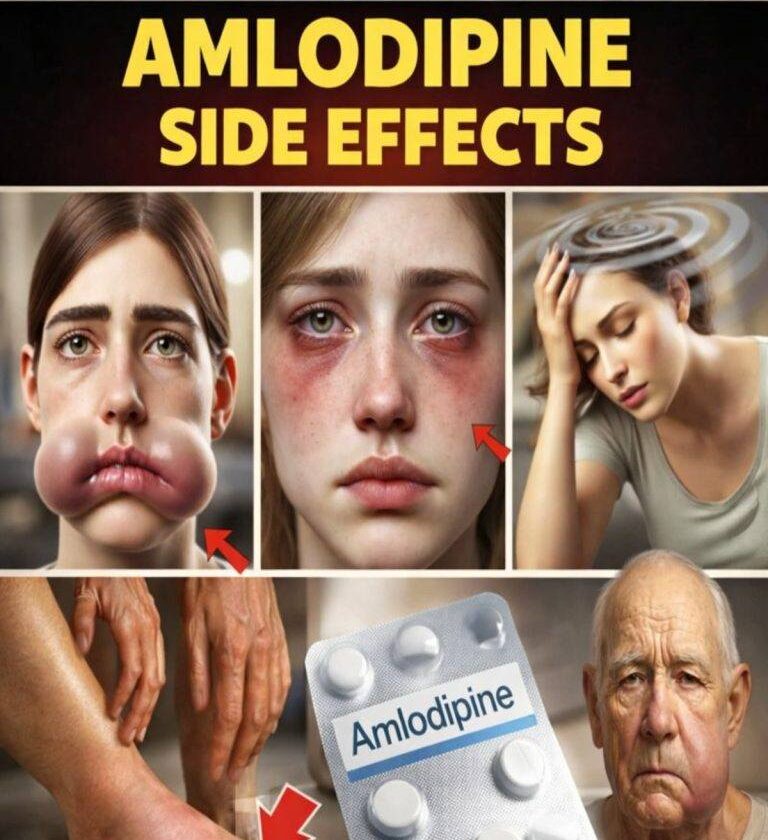
Ankle and leg swelling is a common side effect of amlodipine. Report persistent or worsening swelling to your healthcare provider.
11. Becoming Dehydrated
Severe dehydration from illness, excessive heat, or inadequate fluid intake can contribute to low blood pressure and dizziness.
12. Assuming All Herbal Supplements Are Safe
Some herbal products and supplements can affect blood pressure or interact with medications. Discuss supplements with your healthcare provider or pharmacist before using them.
Seek Medical Advice Promptly If You Experience
- Severe dizziness or fainting
- Chest pain that is new or worsening
- Shortness of breath
- Significant swelling
- Signs of an allergic reaction, such as facial swelling or difficulty breathing
These symptoms may require prompt medical attention.
Important: Never stop, start, or adjust amlodipine without consulting the healthcare professional who prescribed it. Individual recommendations can vary depending on your medical history and other medications.