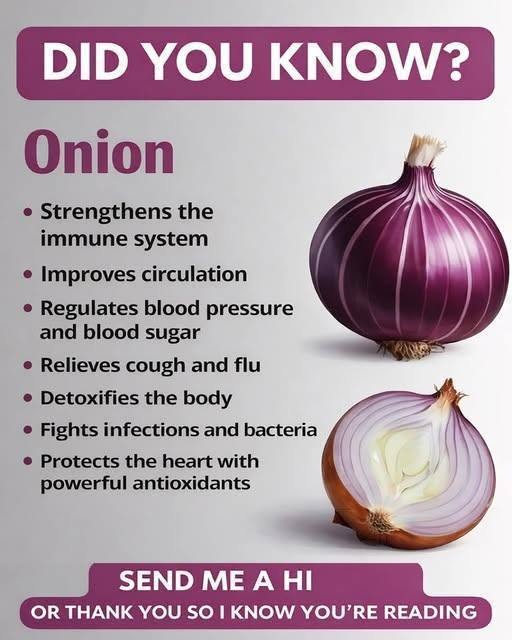
The Powerful Health Benefits of Onions
Onions are a common kitchen ingredient, but they also contain a variety of nutrients and plant compounds that may support overall health. Used for thousands of years in traditional cooking and medicine, onions are rich in antioxidants and sulfur-containing compounds that contribute to their flavor and potential health effects.
1. Rich in Antioxidants
Onions contain antioxidants such as quercetin and sulfur compounds that help protect cells from oxidative stress. Antioxidants are important because they help neutralize free radicals, unstable molecules that can contribute to cellular damage.
2. May Support Heart Health
Research suggests that onion compounds may help support cardiovascular health by:
- Supporting healthy cholesterol levels
- Helping maintain normal blood pressure
- Supporting blood vessel function
Quercetin, in particular, has been studied for its possible role in promoting heart health.
3. Supports Immune Function
Onions provide nutrients such as vitamin C, which contributes to normal immune system function. Their plant compounds may also support the body’s natural defense mechanisms.
4. May Help Regulate Blood Sugar
Some studies suggest that compounds in onions may help support healthy blood sugar regulation. While onions can be part of a balanced diet for people managing blood sugar, they should not replace prescribed treatments.
5. Supports Digestive Health
Onions contain prebiotics, which are types of fiber that help nourish beneficial gut bacteria. A healthy gut microbiome is linked with better digestion and overall health.
6. Contains Anti-Inflammatory Compounds
The antioxidants in onions may help the body manage oxidative stress and normal inflammatory responses. This is one reason onions are often included in diets focused on overall wellness.
7. May Support Bone Health
Some research has explored a connection between onion consumption and bone health, possibly due to antioxidant compounds that may influence bone metabolism.
8. May Have Antimicrobial Properties
Certain compounds in onions have demonstrated antimicrobial activity in laboratory studies. However, eating onions should not be considered a substitute for medical treatment of infections.
9. Supports Skin and Hair Health
The antioxidants and vitamin C in onions contribute to collagen production and protection from oxidative stress, which are important factors for healthy skin.
10. Helps Add Flavor While Supporting Healthy Eating
Onions can enhance the taste of meals without adding many calories. Using onions in cooking may help people enjoy more vegetables and build healthier eating habits.
How to Include More Onions in Your Diet
You can add onions to:
- Salads and sandwiches
- Soups and stews
- Stir-fries
- Egg dishes
- Roasted vegetable dishes
- Salsas and sauces
Both raw and cooked onions can be nutritious, although cooking may change the levels of certain beneficial compounds.
Things to Keep in Mind
- Some people experience digestive discomfort from onions, especially those sensitive to high-FODMAP foods.
- Onion juice or onion-based remedies are not proven cures for medical conditions.
- People taking blood-thinning medication or managing specific health conditions should ask a healthcare professional if they have concerns about major dietary changes.
Bottom Line
Onions are more than just a flavor enhancer. Their antioxidants, fiber, vitamins, and plant compounds make them a valuable addition to a balanced diet. Eating onions regularly as part of a varied diet may contribute to better overall nutrition and health.