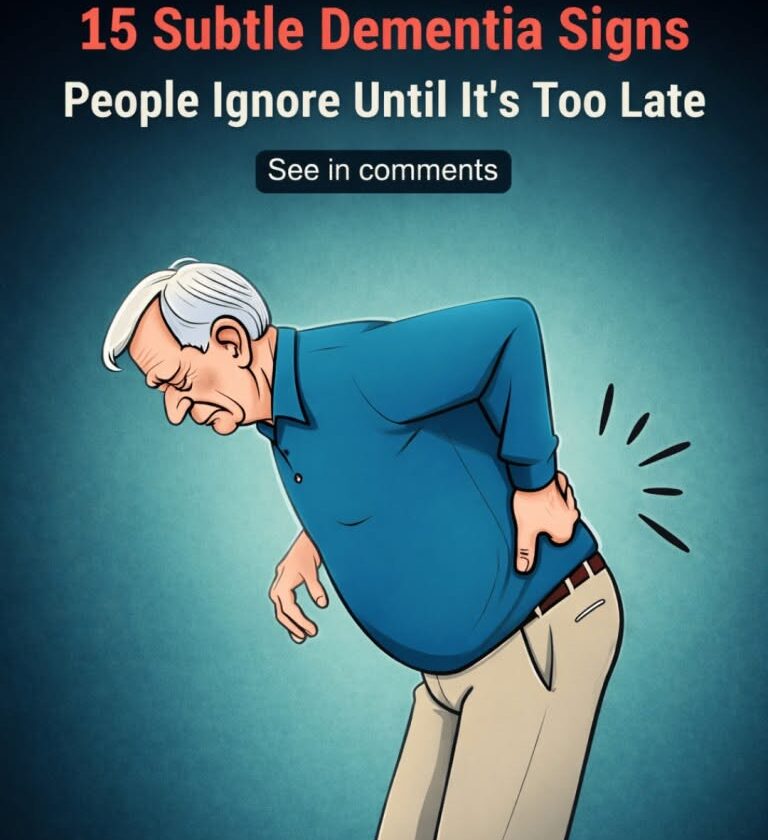
Dementia is a group of conditions that affect memory, thinking, and daily functioning, including Alzheimer’s Disease.
🧠 Early and subtle signs that may suggest cognitive decline
1. Short-term memory problems
- Forgetting recent conversations or events
2. Difficulty planning or organizing
- Trouble following steps in familiar tasks
3. Repeating questions or stories
- Not remembering recent answers
4. Misplacing items frequently
- Putting things in unusual places
5. Confusion with time or place
- Losing track of dates or getting disoriented
6. Word-finding difficulty
- Struggling to find common words in conversation
7. Poor judgment
- Unusual financial decisions or unsafe choices
8. Difficulty completing familiar tasks
- Cooking, driving, or managing bills becoming harder
9. Mood or personality changes
- Irritability, anxiety, withdrawal
10. Reduced interest in activities
- Losing motivation for hobbies or socializing
11. Trouble understanding visual information
- Difficulty judging distance or reading
12. Repeating mistakes
- Making the same errors in routine tasks
13. Getting lost in familiar places
- Especially in later progression
14. Poor concentration
- Trouble focusing on conversations or tasks
15. Changes noticed by others first
- Family or friends noticing decline before the person does
⚠️ Important context
- Many of these symptoms can also be caused by:
- Stress or anxiety
- Depression
- Vitamin deficiencies (like B12)
- Thyroid disorders
- Medication side effects
- Normal aging
A diagnosis requires proper medical evaluation, not symptom lists from online posts.
🧭 When to seek medical advice
It’s important to consult a healthcare professional if:
- Symptoms are progressive or worsening
- They affect daily life or independence
- Family or friends notice consistent changes
Early assessment can help identify treatable causes or slow progression if it is dementia.
🧠 Bottom line
The signs listed are real possible indicators of cognitive decline, but online “15 signs” posts often blur the line between normal aging and disease, which can cause unnecessary fear. Only a proper medical evaluation can determine whether it is dementia or something reversible.
If you want, I can also explain the difference between normal aging memory changes and early dementia, which is where most confusion happens.