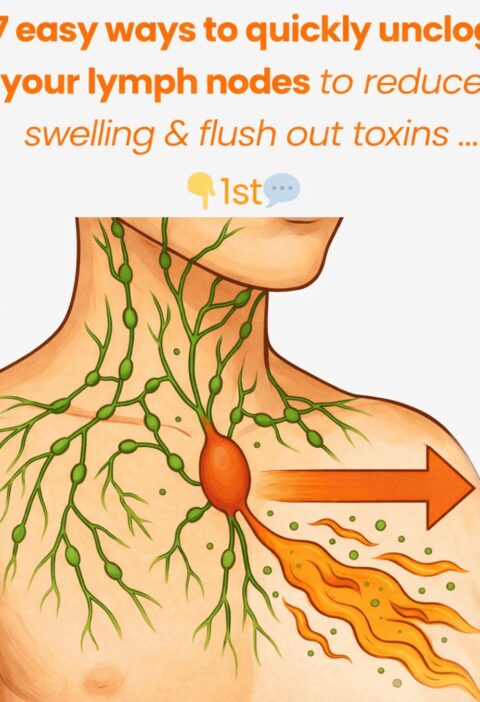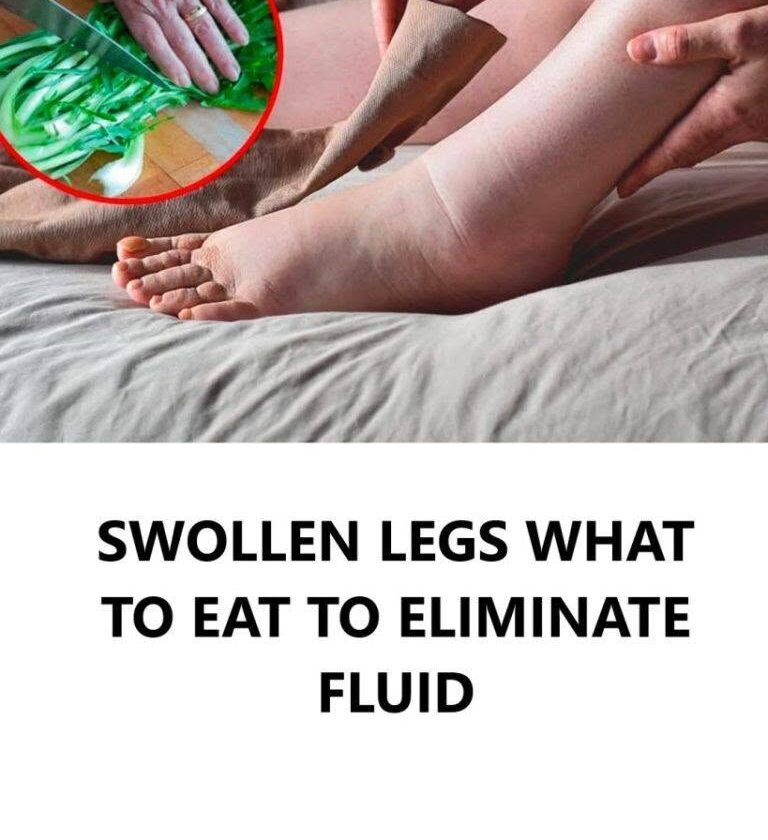
Water retention (also called fluid retention or edema) happens when excess fluid builds up in the body’s tissues, often causing swelling in the hands, feet, ankles, or face.
It’s common, usually temporary, but sometimes a sign of an underlying health issue.
💧 What causes water retention?
1. High salt intake
- Too much sodium makes the body hold onto water
- Common from processed and fast foods
Sodium
2. Hormonal changes
- Menstrual cycle, pregnancy, or menopause
- Hormones affect fluid balance
3. Sitting or standing too long
- Fluid pools in the lower limbs due to gravity
- Common in long travel or desk jobs
4. Certain medical conditions
- Heart, kidney, or liver problems
- Thyroid disorders
- Chronic venous insufficiency
(These require medical evaluation, not self-treatment.)
5. Medications
Some medicines can cause swelling, such as:
- Blood pressure drugs (e.g., calcium channel blockers like Amlodipine)
- Steroids
- Some anti-inflammatory drugs
⚖️ How to reduce water retention (safe, practical ways)
🥗 1. Reduce salt intake
- Cut down processed foods, snacks, and canned foods
🚶 2. Move regularly
- Walking or stretching improves circulation
- Avoid sitting for long periods
💧 3. Stay hydrated
- Drinking enough water actually helps the body release excess fluid
🥦 4. Eat potassium-rich foods
- Helps balance sodium levels
Potassium
🛌 5. Elevate legs
- Helps fluid return from lower body
☕ 6. Limit alcohol and excess caffeine
- Can disrupt fluid balance
⚠️ When to see a doctor
Seek medical advice if swelling is:
- Sudden or severe
- Only on one side of the body
- Accompanied by shortness of breath or chest pain
- Persistent or worsening
🧭 Bottom line
Water retention is usually linked to diet, lifestyle, hormones, or medications, and often improves with simple changes. But persistent or severe swelling can signal a medical condition that needs proper evaluation.
If you want, I can also explain how to tell the difference between fat gain vs water retention vs inflammation, since they’re often confused online.