Important: Magnesium-rich foods can support normal blood pressure and muscle function, but they do not guarantee prevention of conditions such as high blood pressure or blood clots.
1. Pumpkin Seeds
Among the richest natural sources of magnesium, pumpkin seeds are easy to add to salads, yogurt, or snacks.
2. Almonds
Almonds provide magnesium, healthy fats, fiber, and protein.
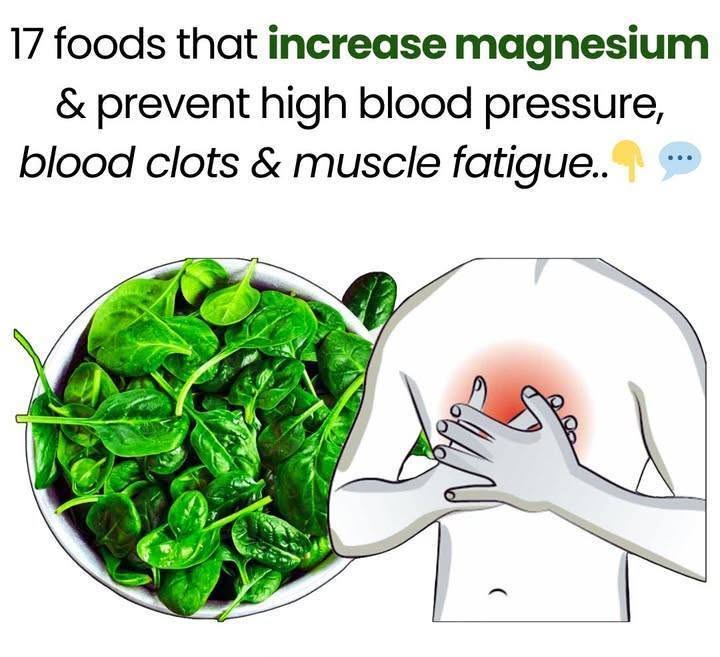
3. Spinach
This leafy green is packed with magnesium and other important nutrients such as iron and vitamin K.
4. Cashews
Cashews offer a good amount of magnesium and can be enjoyed raw or roasted.
5. Black Beans
Beans provide magnesium along with fiber and plant-based protein.
6. Edamame
Young soybeans are rich in magnesium and make a nutritious snack or side dish.
7. Avocados
Avocado contain magnesium, potassium, fiber, and heart-healthy fats.
8. Dark Chocolate
Dark chocolate with a high cocoa content can contribute magnesium while also providing antioxidants.
9. Peanuts
Peanuts are an affordable source of magnesium and protein.
10. Chia Seeds
These tiny seeds provide magnesium, fiber, and omega-3 fatty acids.
11. Quinoa
Quinoa is a nutrient-dense food that contains magnesium and complete protein.
12. Brown Rice
A whole grain that contributes magnesium and fiber to the diet.
13. Tofu
Made from soybeans, tofu is a versatile source of magnesium and plant protein.
14. Bananas
Banana provide some magnesium and are also known for their potassium content.
15. Yogurt
Yogurt contains magnesium along with calcium and protein.
16. Salmon
Salmon provides magnesium and beneficial omega-3 fatty acids.
17. Swiss Chard
This leafy vegetable is another excellent source of magnesium and other minerals.
How Magnesium Supports Health
Magnesium helps:
- Maintain normal muscle function
- Support nerve signaling
- Contribute to healthy blood pressure regulation
- Support energy production
- Help maintain a normal heart rhythm
- Support bone health
Signs of Low Magnesium
A magnesium deficiency may contribute to:
- Muscle cramps or twitching
- Fatigue
- Weakness
- Loss of appetite
- Numbness or tingling
- Abnormal heart rhythms in severe cases
The Bottom Line
A balanced diet that includes nuts, seeds, legumes, whole grains, leafy greens, and certain fish can help you meet your magnesium needs naturally. These foods support overall cardiovascular and muscle health and are generally a better long-term strategy than relying solely on supplements unless advised by a healthcare professional.