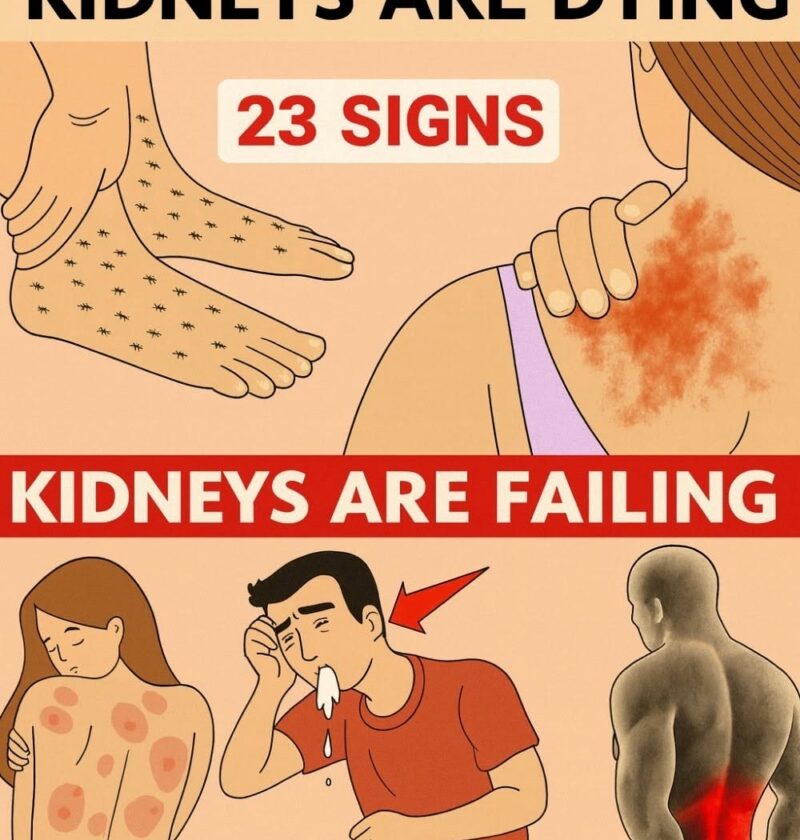
Kidney problems can sometimes develop quietly because the kidneys often continue working even when they are under stress. Many symptoms are not specific to kidney disease, but certain changes can be warning signs that deserve attention.
Possible signs your kidneys may be struggling
- Changes in urination
- Urinating much more or much less than usual
- Waking frequently at night to urinate
- Foamy or bubbly urine (which may indicate protein in urine)
- Blood in the urine
- Burning or pain with urination
- Swelling
- Swelling in the feet, ankles, legs, hands, or around the eyes can happen when the kidneys retain extra fluid.
- Persistent fatigue
- Kidney disease can contribute to anemia and buildup of waste products, which may cause tiredness or weakness.
- Changes in appetite
- Loss of appetite, nausea, or an unpleasant metallic taste in the mouth can occur in more advanced kidney problems.
- Dry, itchy skin
- Waste buildup or mineral imbalances can contribute to itching.
- Muscle cramps
- Electrolyte changes associated with kidney problems may contribute to cramps.
- Shortness of breath
- Fluid buildup or anemia related to kidney disease can sometimes affect breathing.
- Back or side pain
- Pain near the kidneys may occur with some infections or kidney stones (though many kidney diseases do not cause pain).
- High blood pressure
- Kidney problems and high blood pressure are closely linked; each can worsen the other.
When to seek medical advice
Contact a healthcare professional if you notice:
- Blood in your urine
- Persistent swelling
- Major changes in urination
- Severe flank/back pain with fever
- Sudden decrease in urine output
- Unexplained fatigue or nausea that persists
People at higher risk of kidney disease include those with diabetes, high blood pressure, a family history of kidney disease, heart disease, or long-term use of certain medications (especially frequent use of some pain relievers).
The best way to know how your kidneys are functioning is through medical tests such as blood tests (kidney function markers) and urine tests—symptoms alone cannot confirm kidney disease.