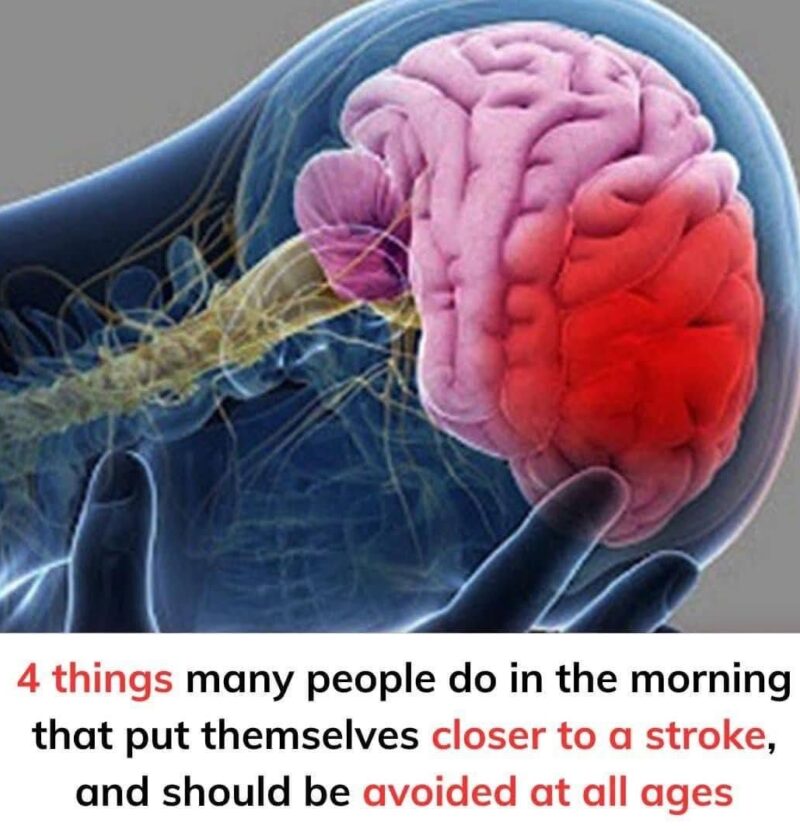
There is no definitive medical list of four morning habits that directly cause a stroke. However, some morning behaviors may increase cardiovascular strain or worsen existing stroke risk factors, especially in people with high blood pressure, diabetes, or heart disease.
1. Skipping blood pressure or other prescribed medications
Missing medications for high blood pressure, diabetes, high cholesterol, or atrial fibrillation can leave these conditions uncontrolled and increase stroke risk over time.
2. Jumping out of bed too quickly
Standing up suddenly can cause a temporary drop in blood pressure (orthostatic hypotension), leading to dizziness or falls. Sitting on the edge of the bed for a few moments before standing can help, particularly for older adults.
3. Smoking first thing in the morning
Smoking damages blood vessels, raises blood pressure, and increases the tendency for blood to clot. Quitting smoking is one of the most effective ways to reduce stroke risk.
4. Ignoring stroke warning signs
If you wake up with symptoms such as:
- Sudden weakness or numbness on one side
- Trouble speaking or understanding speech
- Sudden vision changes
- Loss of balance or coordination
- A sudden, severe headache
do not wait to see if they improve. Seek emergency medical care immediately. Prompt treatment can greatly improve outcomes.
Habits that can help lower stroke risk
- Take prescribed medications consistently.
- Eat a balanced breakfast if it fits your health needs.
- Stay hydrated.
- Be physically active most days of the week.
- Keep blood pressure, cholesterol, and blood sugar under control.
- Avoid smoking and limit alcohol.
- Get adequate sleep.
Remember the FAST warning signs of stroke:
- Face drooping
- Arm weakness
- Speech difficulty
- Time to call emergency services immediately
Stroke prevention depends on overall lifestyle and management of medical conditions, not just what happens in the morning. If you have concerns about your personal stroke risk, discuss them with your healthcare provider, who can recommend strategies based on your individual health profile.