Complete Guide to Mini Stroke (TIA) Symptoms in the Elderly (~1500+ words, SEO-Optimized)
Introduction: What Is a “Mini Stroke”?
A “mini stroke” is the common name for a medical condition called a Transient Ischemic Attack (TIA). It happens when blood flow to the brain is temporarily blocked, causing stroke-like symptoms that usually resolve within minutes to hours.
Medically, a mini stroke is a serious warning sign—not a mild event. It often indicates a high risk of a full stroke in the near future if underlying causes are not treated.
Transient ischemic attack is especially important in older adults because age increases the risk of blood vessel narrowing, high blood pressure, and circulation problems.
Why Mini Strokes Are More Dangerous Than They Seem
Although symptoms may disappear quickly, a TIA is a medical emergency warning sign. It means the brain experienced a temporary lack of oxygen.
In elderly individuals, common underlying causes include:
- High blood pressure
- Atherosclerosis (narrowed arteries)
- Irregular heartbeat (atrial fibrillation)
- Diabetes
- High cholesterol
The key danger is that:
A TIA often occurs before a major stroke within days or weeks.
Why Symptoms Are Often Missed in Older Adults
Mini stroke symptoms can be subtle and short-lived. Many older adults or caregivers may mistake them for:
- Fatigue
- Confusion due to aging
- Dizziness from low blood pressure
- Temporary weakness
Because symptoms resolve quickly, people often delay seeking medical help—but this delay can be dangerous.
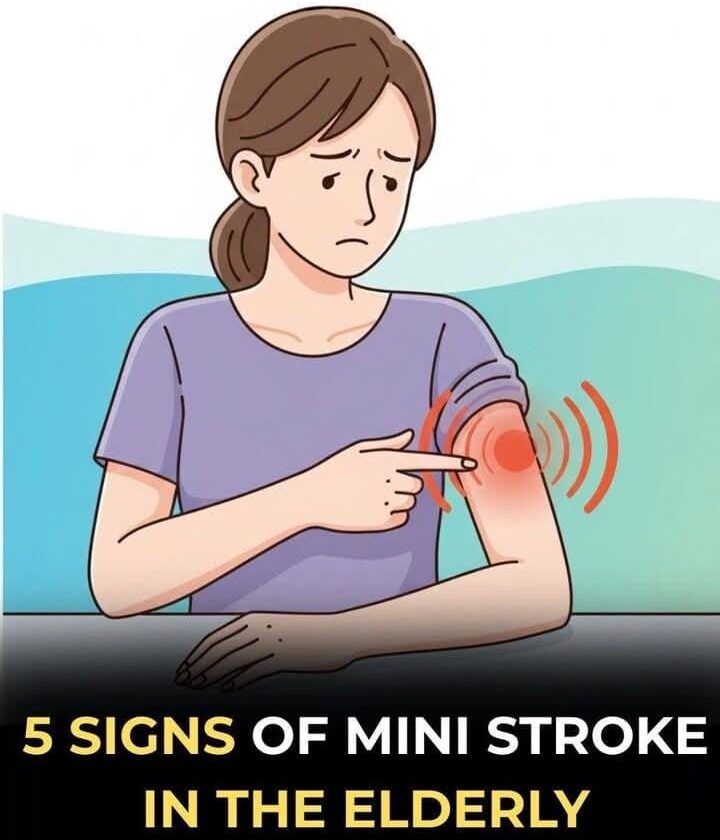
5 Key Warning Signs of a Mini Stroke in the Elderly
1. Sudden Weakness or Numbness on One Side of the Body
One of the most common early signs of a TIA is sudden weakness or loss of sensation.
What it may look like:
- Drooping arm or leg
- Numbness in face, arm, or leg
- Difficulty lifting objects
- Weak grip in one hand
This usually affects only one side of the body, which is a major warning sign of brain involvement.
Even if it improves within minutes, it should never be ignored.
2. Sudden Difficulty Speaking or Understanding Speech
Speech problems are another major indicator of reduced brain blood flow.
Possible symptoms:
- Slurred speech
- Trouble forming words
- Confusion while talking
- Difficulty understanding others
This is called aphasia or dysarthria, depending on the area of the brain affected.
Family members may notice the change before the person does.
3. Sudden Vision Problems
A mini stroke can temporarily affect vision pathways in the brain.
Symptoms may include:
- Blurred vision
- Double vision
- Loss of vision in one eye
- Difficulty focusing
Some people describe it as a “dark curtain” falling over part of their vision.
Even brief vision loss is a serious neurological warning sign.
4. Sudden Dizziness, Loss of Balance, or Coordination Issues
The brain controls balance and coordination, so reduced blood flow can affect movement.
Warning signs:
- Difficulty walking straight
- Sudden dizziness
- Loss of balance
- Falling without clear reason
Older adults may mistakenly attribute this to aging or weakness, but sudden onset is concerning.
5. Sudden Severe Headache Without Clear Cause
Although not always present, a sudden intense headache can occur in some TIAs.
Characteristics:
- Sudden onset
- Severe and unusual pain
- No known trigger
- May be accompanied by other symptoms
This symptom is especially important when combined with neurological changes.
The FAST Rule: Quick Stroke Recognition
Doctors use a simple method to identify stroke and mini stroke symptoms:
- F – Face drooping
- A – Arm weakness
- S – Speech difficulty
- T – Time to call emergency services
Even if symptoms disappear, emergency evaluation is still required.
What Causes a Mini Stroke in Older Adults?
The most common underlying causes include:
1. High Blood Pressure
The leading risk factor for stroke and TIA.
2. Narrowed Arteries (Atherosclerosis)
Fat buildup restricts blood flow to the brain.
3. Irregular Heartbeat (Atrial Fibrillation)
Can cause blood clots that travel to the brain.
4. Diabetes
Damages blood vessels over time.
5. High Cholesterol
Contributes to artery blockage.
Why a Mini Stroke Is a Serious Warning
A TIA is often called a “warning stroke” because:
- 1 in 3 people may later experience a full stroke
- Risk is highest within the first 48 hours to 90 days
- Early treatment can prevent permanent brain damage
What Should Be Done Immediately
If any mini stroke symptoms occur:
- Seek emergency medical help immediately
- Do not wait for symptoms to disappear
- Note the time symptoms started
- Avoid self-medication
Early treatment may include:
- Blood thinners
- Blood pressure control
- Lifestyle changes
- Imaging tests (CT or MRI)
How Mini Strokes Are Diagnosed
Doctors may use:
- Brain imaging (CT/MRI)
- Carotid artery ultrasound
- Heart rhythm monitoring
- Blood tests
These help identify the cause and prevent future strokes.
Prevention Tips for Older Adults
Reducing stroke risk involves lifestyle and medical management:
1. Control Blood Pressure
Regular monitoring is essential.
2. Healthy Diet
Focus on fruits, vegetables, and low-sodium foods.
3. Physical Activity
Light daily walking improves circulation.
4. Quit Smoking
Smoking significantly increases stroke risk.
5. Manage Diabetes and Cholesterol
Proper medication and diet are key.
Final Thoughts: Do Not Ignore Temporary Symptoms
A mini stroke may last only a few minutes, but its warning is serious. In older adults, sudden weakness, speech difficulty, vision changes, dizziness, or headache should always be treated as a medical emergency.
Early action can significantly reduce the risk of a major stroke and protect long-term brain health.
PART 2: Simple Quick Guide
5 Signs of a Mini Stroke (TIA)
1. Weakness on one side
- Face, arm, or leg suddenly weak
2. Speech problems
- Slurred or confused speech
3. Vision changes
- Blurred or lost vision
4. Balance issues
- Dizziness or falling
5. Sudden headache
- Severe and unusual
Emergency Reminder
Even if symptoms disappear, seek medical help immediately.
If you want, I can also create:
- A viral SEO version with “FAST stroke test” infographic script
- A YouTube medical explainer
- Or a “Mini stroke vs full stroke differences” article for higher traffic keywords