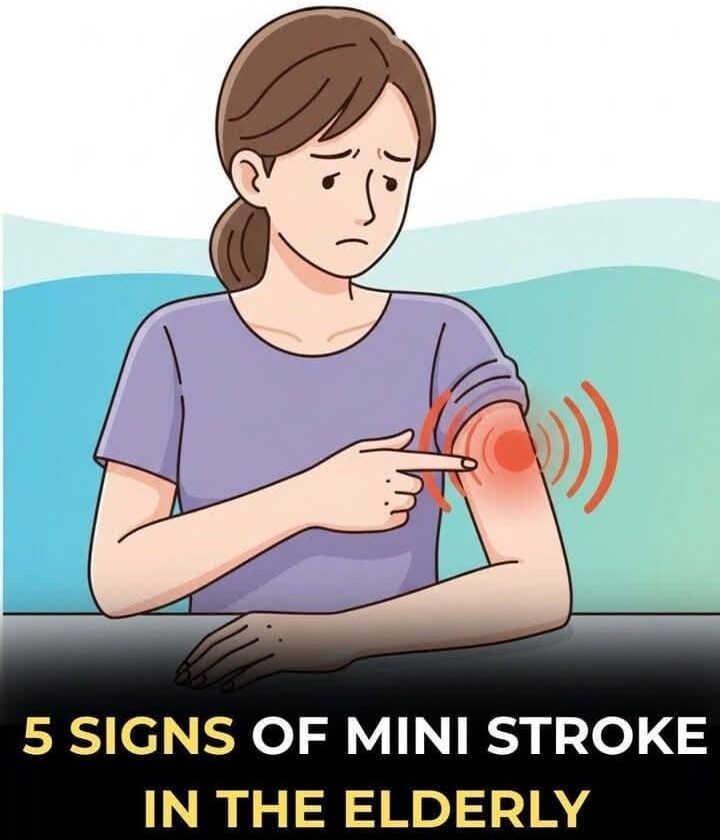
A “mini stroke” is medically called a transient ischemic attack (TIA). It happens when blood flow to the brain is temporarily blocked, and symptoms usually resolve within minutes to hours—but it is a major warning sign of a future stroke.
Here are 5 key signs of a mini stroke in the elderly:
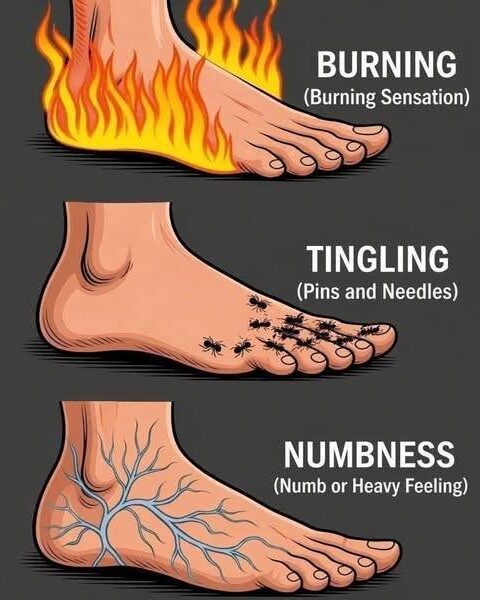
🧠 1. Sudden weakness or numbness (one side of the body)
- Face, arm, or leg becomes weak or numb
- Usually affects only one side
- May cause dropping objects or difficulty walking
🗣️ 2. Sudden speech trouble
- Slurred speech
- Trouble finding words
- Speaking in confusing or incomplete sentences
👁️ 3. Temporary vision loss or blurred vision
- One or both eyes may be affected
- Can feel like a “curtain” dropping over vision
- Vision may come and go suddenly
🚶 4. Loss of balance or coordination
- Dizziness or unsteady walking
- Trouble standing straight
- Sudden falls without clear reason
🤯 5. Sudden confusion or cognitive changes
- Difficulty understanding simple instructions
- Memory lapses or disorientation
- Appears “not like themselves”
⚠️ Important warning
Even if symptoms disappear within minutes:
- A TIA is a medical emergency
- It often precedes a full stroke within days or weeks
🚨 What to do immediately
- Go to emergency care right away
- Note the time symptoms started
- Do not ignore “quickly resolved” symptoms
🧠 Key takeaway
A mini stroke is a serious warning signal, not a mild event. Early treatment can prevent a major stroke.
If you want, I can also explain:
- How to reduce stroke risk after a TIA
- FAST test for stroke recognition
- Or first aid steps while waiting for emergency help