Protein deficiency is uncommon in most people who eat enough calories, but it can happen—especially with very restricted diets, certain illnesses, or malnutrition. The signs below are possible clues, not a diagnosis (since many of these can also come from other causes like anemia, thyroid issues, or vitamin deficiencies).
7 possible signs you may not be getting enough protein
1. Muscle loss or weakness
If you’re slowly losing muscle mass or feeling weaker despite normal activity, your body may be breaking down muscle to meet protein needs.
2. Swelling (especially in feet, ankles, or hands)
Low protein can affect fluid balance in the blood, leading to edema (fluid retention). This is more common in severe deficiency.
3. Hair thinning or hair loss
Protein is essential for keratin production. Noticeable shedding or weak, brittle hair can sometimes be linked to low protein intake.
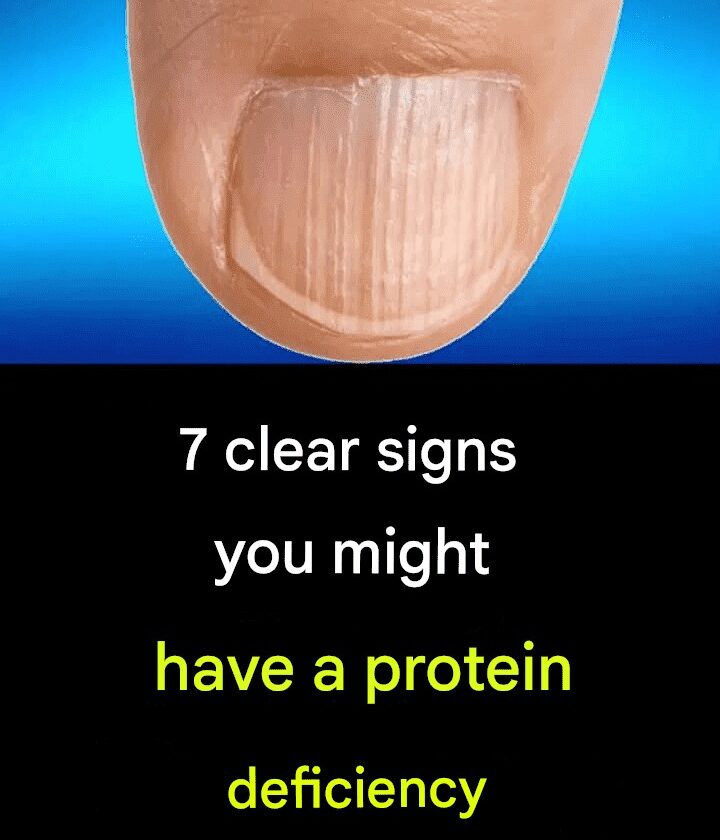
4. Brittle nails
Nails that break easily, peel, or grow slowly may reflect inadequate protein or overall poor nutrition.
5. Slow wound healing
Cuts, injuries, or skin damage taking longer than usual to heal can be a sign your body lacks the building blocks needed for repair.
6. Frequent hunger or cravings
Protein helps regulate appetite. If you feel hungry soon after meals or constantly crave snacks, your diet may be low in protein.
7. Getting sick more often
Protein supports immune function (antibodies and immune cells). Low intake can make you more prone to infections over time.
Important context
True protein deficiency (like kwashiorkor) is rare in people who eat enough food. More often, people are just not getting optimal protein intake, which can still affect energy, muscle, and recovery.
If you want, tell me your typical daily meals and I can estimate whether your protein intake is likely low, adequate, or high.