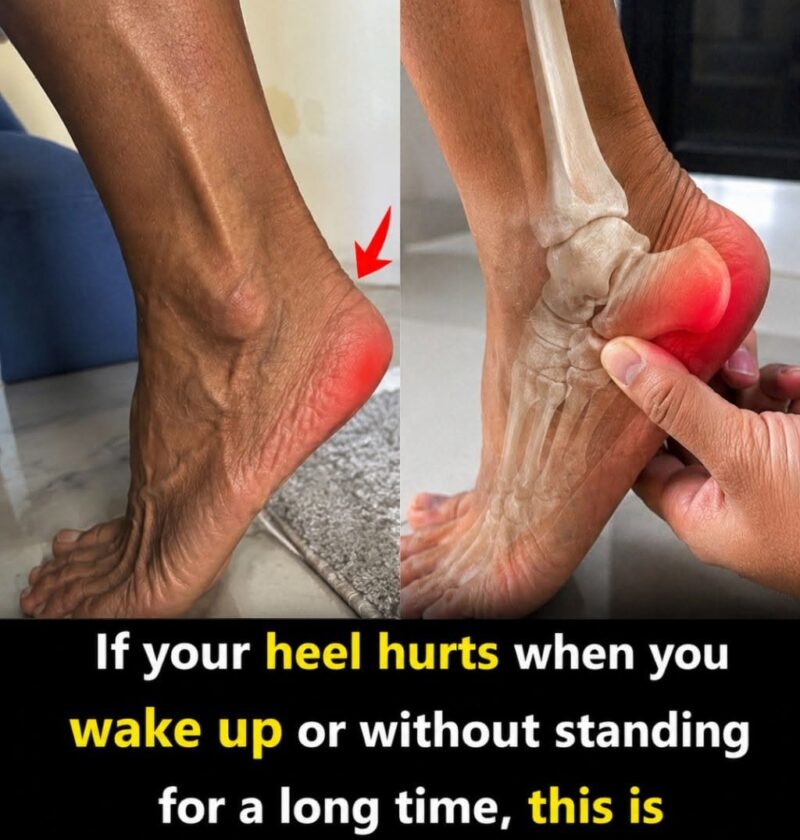
7 Exercises to Help Relieve Heel Discomfort and Support Foot Health
1. Calf Stretch Against a Wall
How to do it:
- Stand facing a wall.
- Place one foot behind the other.
- Keep the back knee straight and heel on the floor.
- Lean forward until you feel a stretch in the calf.
Hold: 20–30 seconds, 3 times per side.
Why it helps: Tight calf muscles can increase stress on the heel and foot.
2. Plantar Fascia Stretch
How to do it:
- Sit down and cross one leg over the other.
- Pull your toes back toward your shin with your hand.
- You should feel a stretch along the bottom of your foot.
Hold: 15–30 seconds, repeat 3–5 times.
Why it helps: Targets the tissue connecting the heel to the toes.
3. Towel Stretch
How to do it:
- Sit with your leg extended.
- Loop a towel around the ball of your foot.
- Gently pull the towel toward you while keeping your knee straight.
Hold: 20–30 seconds, repeat 3 times.
Why it helps: Stretches the calf and foot simultaneously.
4. Toe Curls with a Towel
How to do it:
- Place a small towel on the floor.
- Sit and use your toes to scrunch the towel toward you.
Repeat: 10–15 times.
Why it helps: Strengthens the small muscles that support the arch.
5. Marble or Object Pickups
How to do it:
- Place several small objects on the floor.
- Pick them up one at a time using your toes.
- Move them into a container.
Repeat: 1–2 minutes per foot.
Why it helps: Improves foot strength and coordination.
6. Heel Raises
How to do it:
- Stand holding a chair or wall for balance.
- Slowly rise onto your toes.
- Lower back down with control.
Repeat: 10–15 repetitions, 2–3 sets.
Why it helps: Strengthens the calf muscles and supports foot mechanics.
7. Rolling Massage
How to do it:
- Place a frozen water bottle, tennis ball, or massage ball under your foot.
- Roll it back and forth from heel to toes.
Duration: 1–2 minutes.
Why it helps: May reduce tension and provide temporary relief.
Additional Tips
- Wear supportive shoes rather than walking barefoot on hard floors.
- Increase activity gradually if symptoms began after exercise.
- Maintain a healthy body weight if advised by your healthcare provider.
- Rest when pain flares up.
Seek Medical Attention If:
- You cannot bear weight on the foot.
- There is significant swelling, redness, or warmth.
- Pain follows a fall or injury.
- Symptoms persist despite several weeks of self-care.
Many people find that consistent stretching of the calves and the bottom of the foot, combined with supportive footwear, provides more benefit than any single exercise alone.