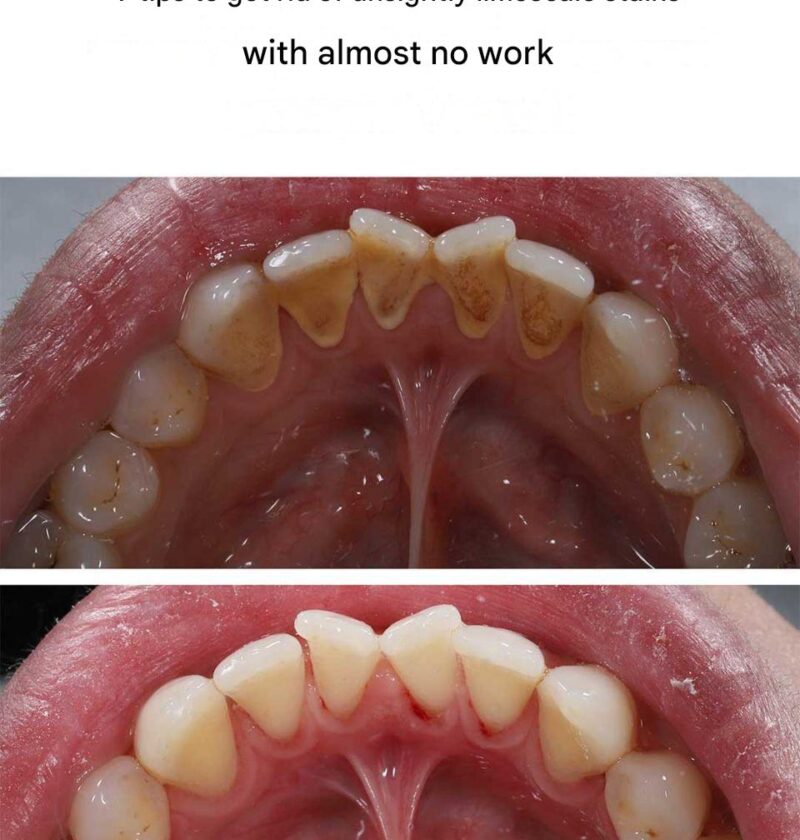
Limescale is mainly made of mineral deposits (mostly calcium and magnesium) left behind when hard water evaporates. The good news is that mild acids dissolve it quite effectively, so you don’t always need heavy scrubbing.
7 low-effort ways to tackle limescale
1. White vinegar soak
- Soak a cloth or paper towel in white vinegar.
- Wrap it around the affected area (such as a faucet).
- Leave it for 30–60 minutes, then rinse.
2. Vinegar spray for shower doors
- Spray white vinegar onto the glass.
- Let it sit for 15–30 minutes.
- Wipe clean with a microfiber cloth.
3. Lemon juice treatment
Lemon
- Cut a lemon in half and rub it on light limescale deposits.
- Let the juice sit briefly before rinsing.
4. Descale kettle naturally
- Fill the kettle with equal parts water and vinegar.
- Let it sit (or heat it, depending on the manufacturer’s guidance).
- Rinse thoroughly afterward.
5. Use citric acid
- Dissolve citric acid powder in warm water.
- Apply to stubborn deposits and let it work before wiping.
6. Prevent buildup with a quick wipe
- After showering, use a squeegee or towel on glass and fixtures.
- Preventing water from drying on surfaces reduces future limescale.
7. Clean little and often
- Removing fresh deposits is much easier than tackling thick buildup that has accumulated for months.
⚠️ A few cautions
- Avoid using vinegar or acidic cleaners on natural stone surfaces such as marble or limestone, as they can damage the finish.
- Check appliance instructions before descaling coffee makers, kettles, or other equipment.
- Never mix vinegar with bleach or other cleaning chemicals.
Bottom line
The easiest limescale removers are usually mild acids such as vinegar, lemon juice, or citric acid. Letting them sit on the deposit does most of the work, which means far less scrubbing is needed.