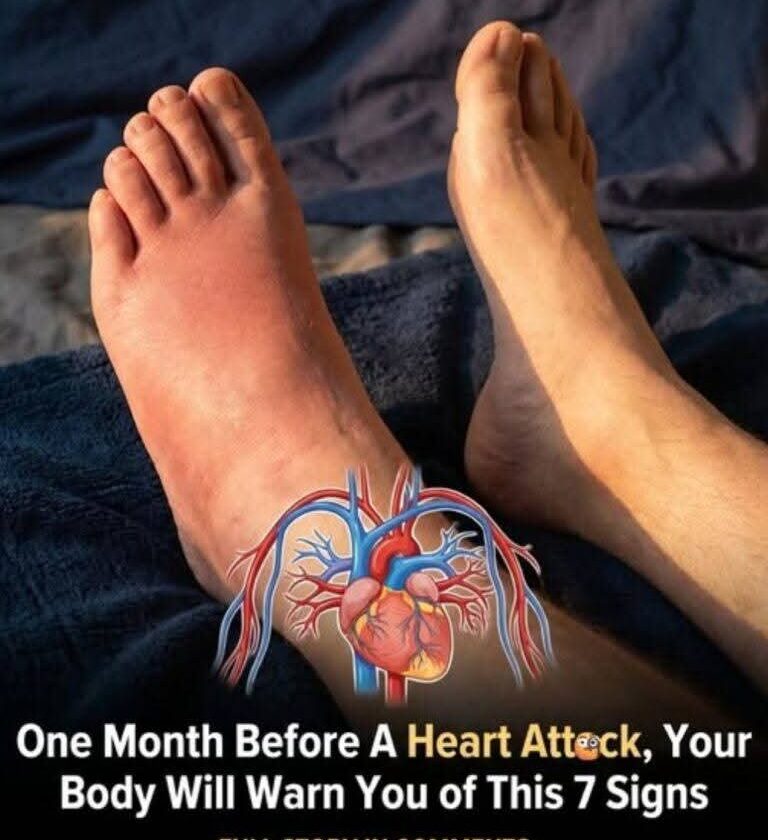
That headline is trying to connect arm/leg symptoms with a possible heart attack, but it needs careful context—because most limb symptoms are not heart attacks, though a few can be warning signs.
When arms/legs might be related to a heart attack
A heart attack usually happens when blood flow to the heart is blocked. It most often causes chest symptoms, but pain can “radiate” elsewhere.
Possible warning signs (especially if sudden or combined with chest symptoms):
- Left arm pain or pressure (classic symptom)
- Pain spreading to shoulder, both arms, neck, jaw, or back
- Heaviness or tightness in upper arms (not just muscles)
- Cold sweats + arm discomfort
- Weakness + chest discomfort together
What about legs?
Leg symptoms are much less typical for heart attacks, but can sometimes relate indirectly:
- Sudden weakness or numbness (could also suggest stroke, not heart attack)
- Poor circulation (peripheral artery disease) causing leg pain when walking (long-term heart disease risk marker, not an acute heart attack sign)
Important reality check
Most arm/leg symptoms are caused by much more common issues like:
- Muscle strain or overuse
- Nerve compression (like cervical spine issues)
- Anxiety or panic attacks
- Poor posture or circulation issues
When it’s urgent 🚨
Seek emergency help immediately if arm/leg symptoms come with:
- Chest pain or pressure
- Shortness of breath
- Sweating, nausea, dizziness
- Sudden, unexplained upper body pain
Bottom line
Arm symptoms can be part of a heart attack warning pattern—but they almost never appear alone, and leg symptoms are usually unrelated to heart attacks.
If you want, I can also list the most reliable early heart attack signs doctors actually use (not internet myths) so you can tell clickbait from real warnings.