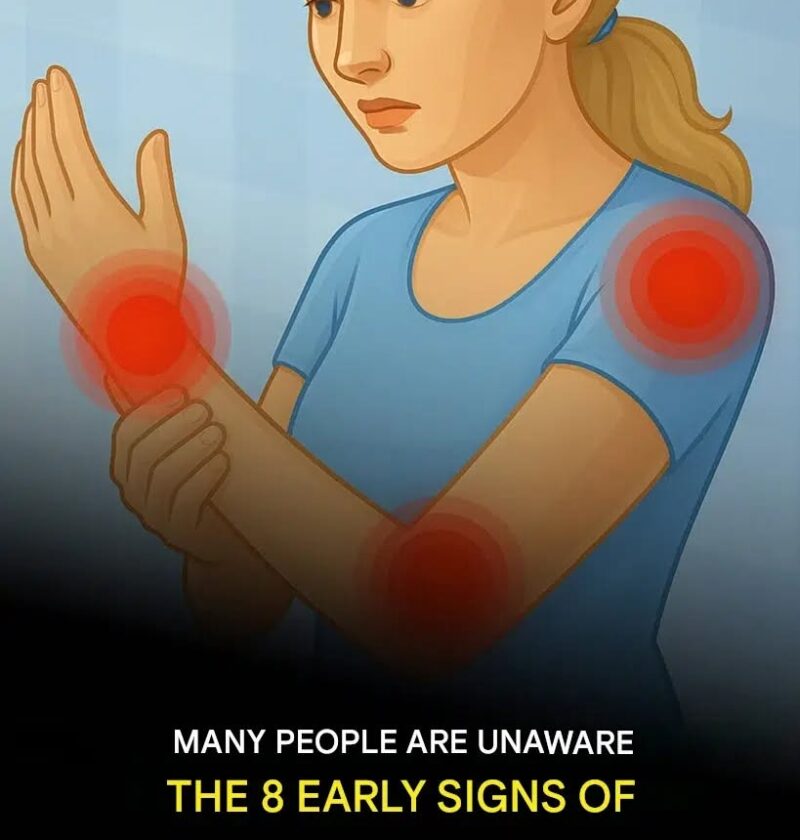
8 Early Symptoms of Arthritis to Take Seriously
Arthritis is a group of conditions that affect the joints, causing pain, stiffness, and reduced movement. While symptoms often develop gradually, recognising the early signs can help you seek treatment sooner and protect your joints.
1. Joint Pain
Persistent pain in one or more joints is often the first symptom of arthritis.
The pain may:
- Come and go at first
- Worsen with activity or after rest
- Affect the hands, knees, hips, feet, or other joints
2. Morning Stiffness
Stiffness after waking up is a common early sign.
- Stiffness lasting less than 30 minutes is more typical of osteoarthritis.
- Stiffness lasting more than 30–60 minutes may suggest an inflammatory type of arthritis, such as rheumatoid arthritis.
3. Swelling Around a Joint
Inflamed joints may appear:
- Puffy
- Warm
- Tender to the touch
Swelling that persists or keeps returning should be assessed by a healthcare professional.
4. Reduced Range of Motion
You may notice it’s harder to:
- Bend your knees
- Grip objects
- Climb stairs
- Fully straighten or bend a joint
5. Joint Warmth or Redness
A joint that feels unusually warm or looks red may indicate inflammation or, less commonly, an infection. Sudden redness, severe pain, and fever require urgent medical evaluation.
6. Clicking or Grinding Sensations
Some people notice a grinding, cracking, or clicking feeling when moving a joint. This can occur with osteoarthritis, although it can also be present in healthy joints without causing problems.
7. Fatigue
Inflammatory forms of arthritis, such as rheumatoid arthritis, can cause:
- Persistent tiredness
- Low energy
- Feeling generally unwell
These symptoms may appear before significant joint damage develops.
8. Difficulty with Everyday Tasks
If simple activities become harder, such as:
- Opening jars
- Buttoning clothes
- Walking short distances
- Holding a pen
it may be an early sign that arthritis is affecting joint function.
When to See a Doctor
Arrange a medical assessment if you have:
- Joint pain lasting more than a few weeks
- Persistent swelling or stiffness
- Symptoms affecting daily activities
- Multiple painful joints
- Fever, severe redness, or sudden swelling in a joint
Early diagnosis can help identify the type of arthritis and improve long-term outcomes.
How to Help Protect Your Joints
- Stay physically active with low-impact exercise, such as walking, swimming, or cycling.
- Maintain a healthy weight to reduce stress on weight-bearing joints.
- Strengthen the muscles around your joints.
- Eat a balanced diet rich in fruits, vegetables, whole grains, and healthy fats.
- Avoid smoking, which increases the risk of rheumatoid arthritis and can worsen symptoms.