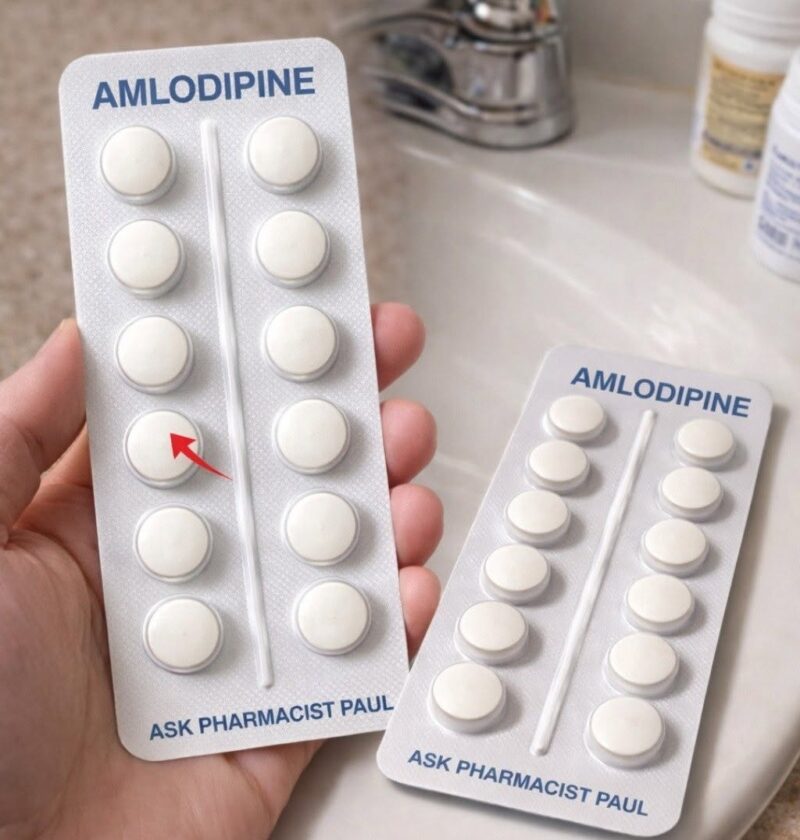
If you take amlodipine (a calcium channel blocker commonly used for high blood pressure and some heart-related conditions), there are several habits worth avoiding because they can reduce how well it works, worsen side effects, or increase health risks.
8 habits to stop (or reduce) while taking amlodipine
1. Stop skipping doses
Why: Amlodipine works best when taken consistently. Missing doses can allow blood pressure to rise again and increase strain on the heart and blood vessels.
Tip: Take it at the same time each day and use reminders if needed.
2. Stop eating too much salt
Why: High sodium intake makes your body retain water, which can raise blood pressure and work against your treatment.
Tip: Reduce processed foods, salty snacks, instant meals, and excess added salt.
3. Stop drinking excessive alcohol
Why: Alcohol can lower blood pressure further when combined with amlodipine, increasing the chance of dizziness, lightheadedness, or fainting. It can also worsen blood pressure control over time.
4. Stop ignoring ankle or leg swelling
Why: Amlodipine commonly causes swelling (edema) in the feet, ankles, or lower legs because it relaxes blood vessels and can increase fluid movement into tissues.
Tip: Tell your healthcare professional if swelling is persistent, painful, or getting worse.
5. Stop eating grapefruit without checking first
Why: Grapefruit is known to interact with many medicines, although the interaction with amlodipine is generally considered less significant than with some other calcium channel blockers. If you consume large amounts of grapefruit or grapefruit juice, ask your pharmacist whether it is appropriate for you.
6. Stop being inactive
Why: Amlodipine helps control blood pressure, but regular activity improves blood pressure, circulation, weight management, and heart health.
Tip: Aim for regular walking or other moderate exercise if your healthcare provider says it is safe.
7. Stop smoking or using nicotine products
Why: Nicotine raises blood pressure and damages blood vessels, increasing cardiovascular risk even if your medication is working.
8. Stop changing your dose on your own
Why: Increasing, reducing, or stopping amlodipine without medical advice can cause uncontrolled blood pressure or unwanted effects. Dose changes should be guided by a clinician.
Seek medical advice promptly if you have:
- Severe dizziness or fainting
- New or worsening chest pain
- Trouble breathing
- Significant swelling
- Very low blood pressure symptoms (weakness, confusion, faintness)
Amlodipine is generally well tolerated, and many people take it safely for years. The best habits are consistent dosing, lower salt intake, regular activity, avoiding smoking, and monitoring blood pressure.