Here are 8 habits you should reconsider if you are taking amlodipine—and why:
1. Skipping doses or taking it irregularly
Amlodipine works best when the level in your body stays steady. Missing doses can cause blood pressure fluctuations, headaches, or chest discomfort.
2. Eating a very high-salt diet
Too much salt makes your body retain water and raises blood pressure, which directly fights against what amlodipine is trying to control.
3. Drinking alcohol in excess
Alcohol can lower blood pressure temporarily, then cause rebound increases. Combined with amlodipine, it may also increase dizziness or fainting risk.
4. Standing up too quickly (poor hydration or low awareness)
Amlodipine can sometimes cause lightheadedness, especially early in treatment. Sudden standing may worsen this and increase fall risk.
5. Smoking
Smoking damages blood vessels and raises blood pressure, reducing the long-term benefits of amlodipine and increasing heart risk overall.
6. Using NSAID painkillers too often (like ibuprofen)
Frequent use can reduce the blood pressure–lowering effect of amlodipine and may strain kidneys over time, especially in long-term use.
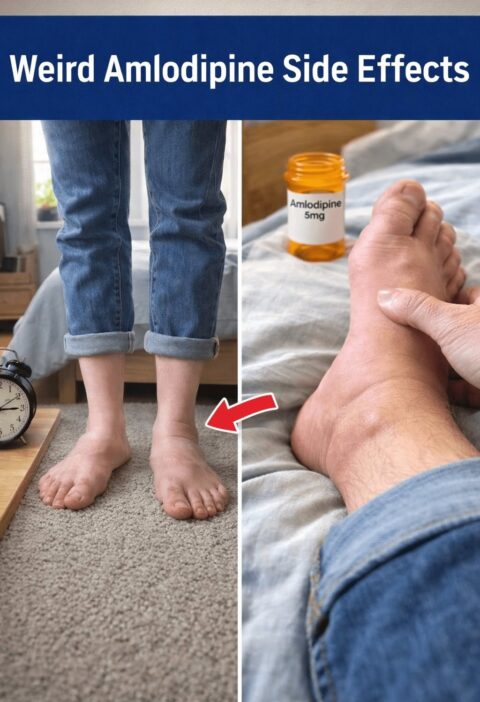
7. Ignoring swelling in ankles or feet
Amlodipine can cause fluid retention. If you ignore worsening swelling, it may signal that your dose needs adjustment or a medication review.
8. Self-adjusting your dose without medical advice
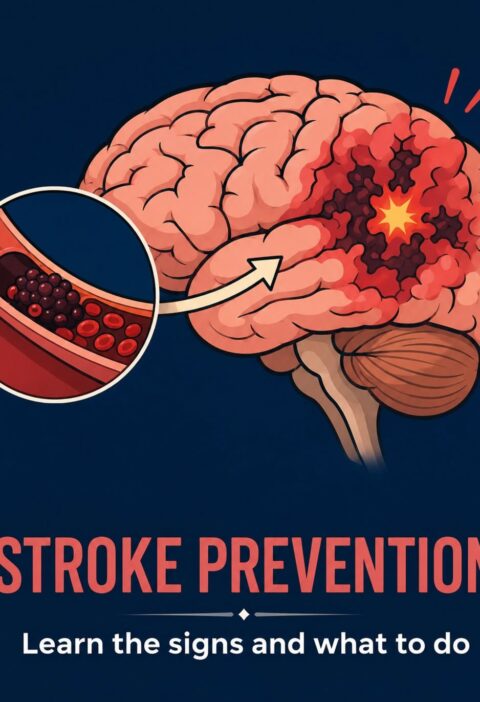
Increasing or stopping amlodipine on your own can cause unstable blood pressure, which increases risk of stroke or heart complications.
Important note
Amlodipine is generally very effective and safe when used correctly, but lifestyle habits play a huge role in how well it works.
If you want, tell me your age, dose, or symptoms (like swelling or dizziness), and I can help you understand what’s normal and what might need a doctor’s attention.