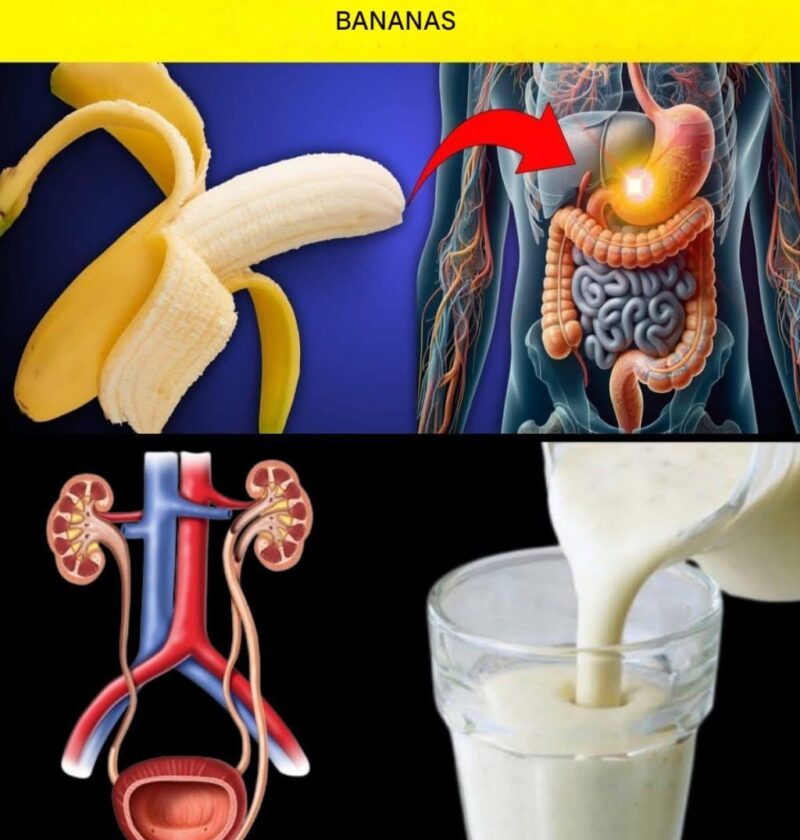
Here are eight mistakes to avoid when enjoying this nutritious fruit.
1. Eating Too Many Bananas in One Day
While bananas are healthy, moderation is important. Consuming excessive amounts may contribute to an overly high intake of calories and natural sugars. For most people, one to two bananas per day can fit comfortably into a balanced diet.
2. Ignoring Portion Balance
Some people rely on bananas as a complete snack without including protein or healthy fats. Pairing a banana with nuts, yogurt, or peanut butter can help create a more balanced snack that keeps you satisfied longer.
3. Eating Only Overripe Bananas
Very ripe bananas are sweeter because more of their starch has been converted into sugar. While perfectly safe to eat, they may cause a quicker rise in blood sugar compared to less ripe bananas. Choosing bananas at different stages of ripeness can provide variety in taste and texture.
4. Throwing Away Bananas That Have Brown Spots
Many people mistakenly discard bananas once brown spots appear. In reality, spotted bananas are usually safe to eat and are often ideal for smoothies, baking, and desserts. The spots generally indicate increased ripeness rather than spoilage.
5. Replacing Entire Meals with Bananas
Bananas contain valuable nutrients, but they do not provide all the protein, fats, vitamins, and minerals needed for a complete meal. Using bananas as a meal replacement on a regular basis may leave nutritional gaps in your diet.
6. Storing Bananas Incorrectly
Improper storage can cause bananas to ripen too quickly. Keeping them at room temperature away from direct sunlight is generally best. Once fully ripe, they can be refrigerated to slow further ripening, although the peel may darken.
7. Assuming Bananas Are Bad for Weight Management
Some people avoid bananas because they believe they are too high in sugar. In reality, bananas can be part of a healthy eating plan. Their fiber content may help increase feelings of fullness, making them a useful addition to a balanced diet.
8. Ignoring Individual Health Conditions
People with certain medical conditions, particularly those involving kidney function or potassium regulation, may need to monitor their intake of potassium-rich foods. Anyone with specific dietary restrictions should consult a healthcare professional for personalized advice.
The Benefits of Eating Bananas
When consumed as part of a balanced diet, bananas can offer several benefits:
- Provide a convenient source of energy
- Support digestive health through fiber
- Contribute to normal muscle and nerve function
- Supply essential vitamins and minerals
- Make a nutritious addition to breakfasts, snacks, and smoothies
Final Thoughts
Bananas are a healthy and versatile fruit, but like any food, they are best enjoyed in moderation and as part of a varied diet. Avoiding these common mistakes can help you get the most nutritional value from bananas while maintaining a balanced approach to eating.
Disclaimer: This article is for informational purposes only and should not be considered medical advice. Individuals with specific health concerns should consult a qualified healthcare professional or registered dietitian for personalized guidance.