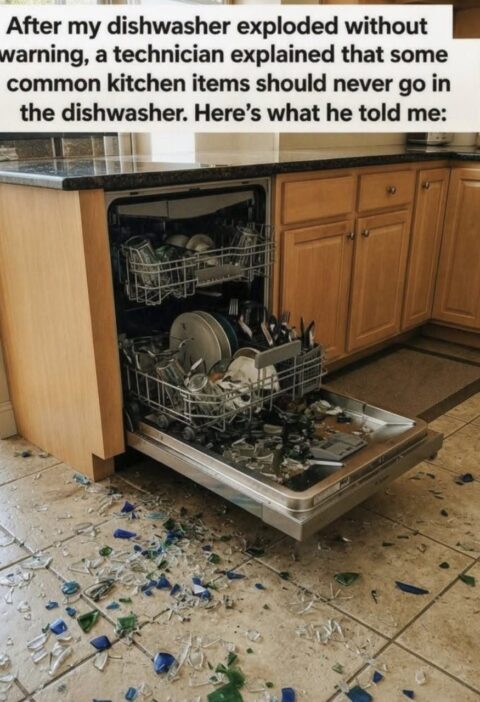
1. Cast iron pans
Why: Dishwasher detergent and prolonged moisture can strip away the seasoning (the protective oil layer) and encourage rust.
Better: Wash quickly with warm water, scrub gently if needed, dry immediately, and re-oil.
2. Wooden utensils and cutting boards
Why: Heat and soaking can cause wood to swell, crack, warp, or split.
Better: Hand wash and dry upright.
3. Sharp knives
Why: Dishwasher cycles can dull blades, damage handles, and make knives more likely to be knocked around.
Better: Hand wash and dry carefully.
4. Nonstick cookware
Why: High heat and harsh detergents may gradually wear down some nonstick coatings.
Better: Check the manufacturer’s instructions; gentle hand washing often extends the life of the coating.
5. Copper cookware
Why: Dishwasher detergents can cause discoloration and remove the polished finish.
Better: Hand wash with appropriate copper cleaner if needed.
6. Crystal or delicate glassware
Why: Heat and detergent can cause cloudiness, scratches, or even cracks in fragile pieces.
Better: Hand wash delicate glass items.
7. Items with glued parts
Why: Heat and water can weaken adhesives, causing pieces to separate.
Examples: Some insulated cups, decorative items, and certain handled utensils.
8. Fine grater blades and specialty kitchen tools
Why: Dishwasher exposure may dull edges, cause rust spots, or damage coatings.
Better: Clean by hand and dry thoroughly.
A few things that are often dishwasher-safe:
- Stainless steel utensils (unless manufacturer says otherwise)
- Many ceramic plates and bowls
- Most everyday glassware
- Silicone kitchen tools labeled dishwasher-safe
- Some plastic containers marked dishwasher-safe
The safest rule: if an item is expensive, handmade, sharp, wooden, coated, or has glued parts, check the care instructions before putting it in the dishwasher.