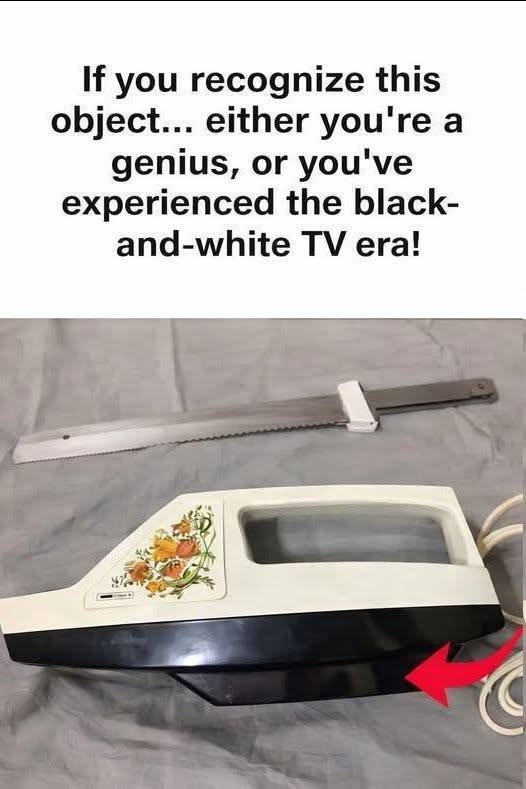
That’s a classic “attention/curiosity bait” headline—it doesn’t actually mean the object has anything to do with how “sharp” your mind is.
What that headline is really doing
- It suggests a simple visual puzzle
- Then connects it to intelligence or brain health
- But there’s no scientific link between identifying random objects and measuring intelligence or mental sharpness in a meaningful way
Can object-guessing test your mind?
At best, these kinds of challenges test:
- Visual recognition
- Familiarity with the object or culture
- Pattern recognition
But they do not reliably measure intelligence, memory strength, or brain health.
Real cognitive assessments used in medicine look at things like:
- Attention and recall tests
- Language ability
- Problem-solving tasks
- Standardized neuropsychological tests
Why these posts are popular
They are designed to:
- Trigger curiosity (“What is it?”)
- Encourage engagement (clicks, comments, sharing)
- Create a sense of self-testing (“Am I smart?”)
Bottom line
Guessing an object from a blurry image or description is a fun brain game, not a scientific measure of intelligence or cognitive ability.
If you want, you can send the object or image, and I can actually help identify it—and explain what it is used for 👍