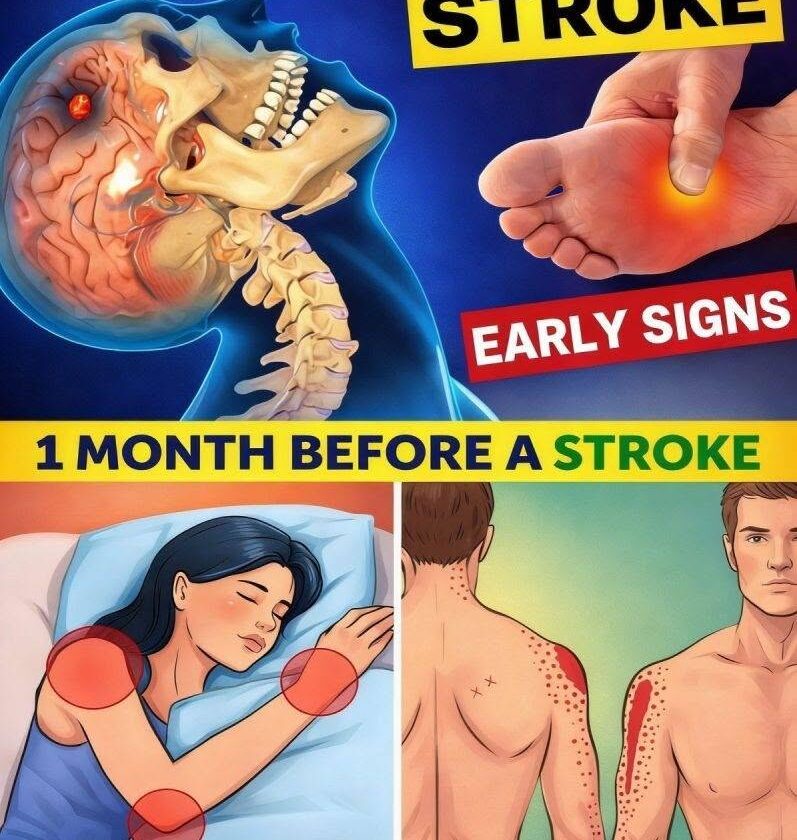
A stroke usually happens suddenly, and there is no reliable set of symptoms that always appears exactly one month before a stroke. However, some people may experience warning signs of increased stroke risk or brief episodes called transient ischemic attacks (TIAs) (“mini-strokes”) that can occur before a major stroke.
Possible warning signs that should be taken seriously
- Sudden weakness or numbness
- Especially on one side of the face, arm, or leg.
- Sudden trouble speaking or understanding speech
- Slurred speech, confusion, or difficulty finding words.
- Sudden vision changes
- Loss of vision, double vision, or blurred vision in one or both eyes.
- Sudden dizziness or loss of balance
- Trouble walking, coordination problems, or unexplained falls.
- Sudden severe headache
- Especially a “worst headache of your life” or a headache with other neurological symptoms.
- Facial drooping
- One side of the face may appear uneven when smiling.
- Difficulty swallowing
- This can occur with some strokes.
- Brief episodes that resolve
- Symptoms that disappear within minutes or hours can still be a TIA and require urgent medical evaluation.
A useful reminder is FAST:
- F — Face drooping
- A — Arm weakness
- S — Speech difficulty
- T — Time to call emergency services
9 ways to help reduce stroke risk
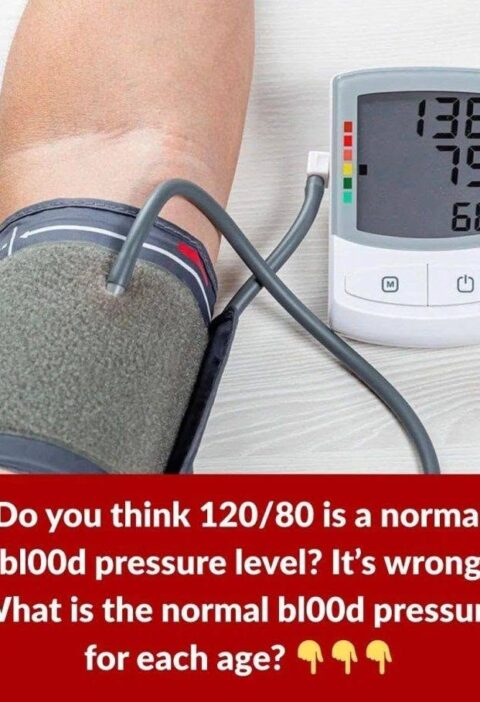
- Control blood pressure
- High blood pressure is one of the strongest stroke risk factors.
- Do not smoke or use tobacco
- Smoking damages blood vessels and increases clot risk.
- Exercise regularly
- Aim for regular moderate activity, such as brisk walking, if medically appropriate.
- Eat a heart-healthy diet
- Emphasize vegetables, fruits, whole grains, legumes, fish, and healthy fats.
- Limit excess salt, processed foods, and added sugars.
- Manage cholesterol
- Follow your clinician’s advice about diet, lifestyle, and medications if prescribed.
- Control diabetes
- Keeping blood sugar in a healthy range lowers vascular risk.
- Maintain a healthy weight
- Excess weight can increase the risk of high blood pressure, diabetes, and heart disease.
- Limit alcohol
- Heavy alcohol use increases stroke risk.
- Take prescribed medications correctly
- Especially medicines for blood pressure, cholesterol, diabetes, or heart rhythm problems.
If someone has new stroke symptoms right now, do not wait to see if they improve—seek emergency medical help immediately.