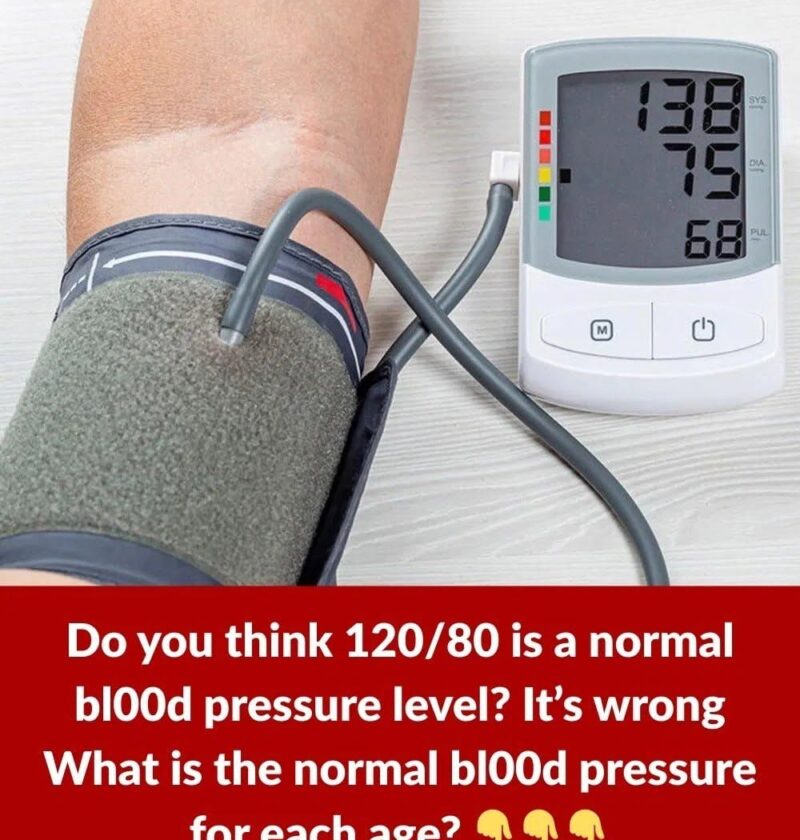
Normal Blood Pressure by Age: What Is Healthy?
A common mistake is thinking there is one “normal” blood pressure number for every age. In reality, blood pressure varies with age, health conditions, medications, activity level, and genetics.
Blood pressure is measured as:
- Systolic pressure (top number): pressure when the heart pumps.
- Diastolic pressure (bottom number): pressure when the heart relaxes.
A general guide:
| Age group | Typical healthy range (approx.) |
|---|---|
| Children | Varies greatly by height and development; checked using pediatric charts |
| Teens | Around 90–120 / 60–80 mmHg |
| Adults (18–39) | Around 90–120 / 60–80 mmHg |
| Adults (40–59) | Around 90–120 / 60–80 mmHg (some people may naturally run slightly higher) |
| Adults 60+ | Often around 90–120 / 60–80 mmHg, though individual targets may differ |
Blood pressure categories for most adults
- Normal: Less than 120/80 mmHg
- Elevated: 120–129 systolic and less than 80 diastolic
- High blood pressure (hypertension): Usually 130/80 mmHg or higher when confirmed by repeated readings
Common mistakes when checking blood pressure
Many inaccurate readings happen because people:
- measure right after exercise, caffeine, smoking, or stress,
- use the wrong cuff size,
- don’t rest before measuring,
- talk during the measurement,
- check only once instead of tracking readings over time.
How to get a more accurate reading
✅ Sit quietly for about 5 minutes first
✅ Keep feet flat on the floor
✅ Support your arm at heart level
✅ Take multiple readings and record them
A single high reading does not always mean you have high blood pressure, but consistently elevated readings should be discussed with a healthcare professional.