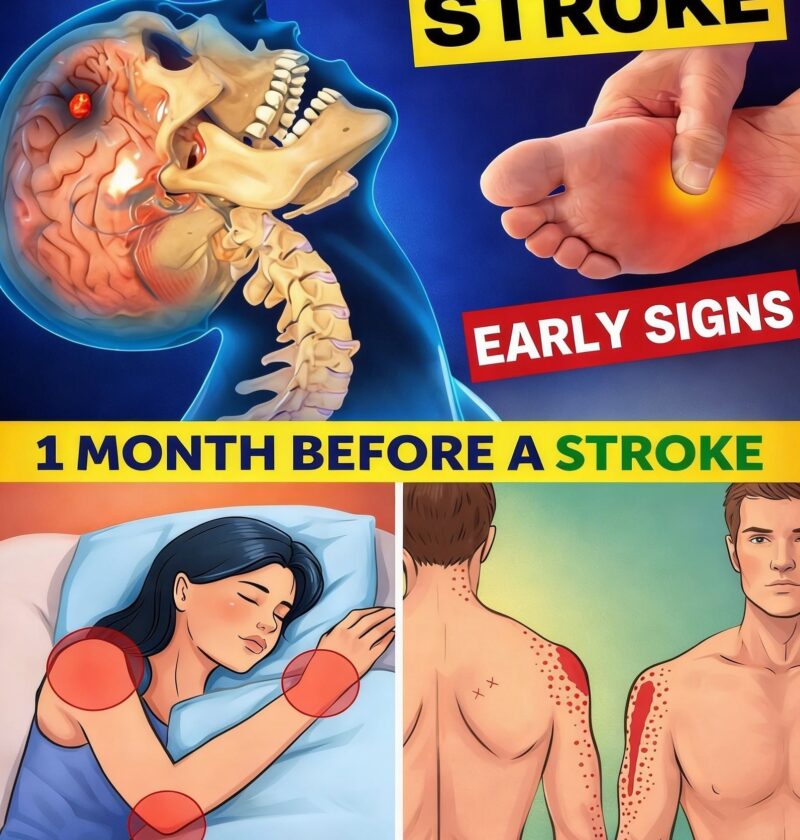
Headlines like “8 warning signs of stroke one month before” can be misleading. A stroke often occurs without a predictable one-month warning period. However, some people experience brief warning events or symptoms beforehand that should never be ignored.
A stroke is usually caused by a blocked blood vessel in the brain (Ischemic stroke) or, less commonly, bleeding in the brain (Hemorrhagic stroke).
Possible warning signs before a stroke
1. Temporary weakness on one side
A brief episode of weakness in the face, arm, or leg.
2. Sudden numbness
Especially affecting one side of the body.
3. Temporary speech difficulty
Trouble speaking, finding words, or understanding speech.
4. Brief vision changes
Blurred vision, double vision, or temporary loss of vision in one eye.
5. Sudden dizziness or loss of balance
Especially when it appears abruptly and without a clear cause.
6. Short episodes of confusion
Sudden mental fogginess or difficulty understanding what is happening.
7. Severe unexplained headache
More concerning if it is sudden and unlike previous headaches.
8. Transient ischemic attacks (TIAs)
Often called “mini-strokes,” these are temporary stroke-like symptoms that resolve but can be a major warning sign. Transient ischemic attack
A TIA is a medical emergency because it can signal a high risk of a future stroke.
🚨 Remember the FAST warning signs
Seek emergency help immediately if someone develops:
- Face drooping
- Arm weakness
- Speech difficulty
- Time to call emergency services
Even if symptoms disappear, urgent evaluation is important.
9 ways to reduce stroke risk
1. Control high blood pressure
The single most important stroke prevention step.
2. Stop smoking
Smoking damages blood vessels and greatly increases stroke risk.
3. Manage diabetes
Keep blood sugar under good control.
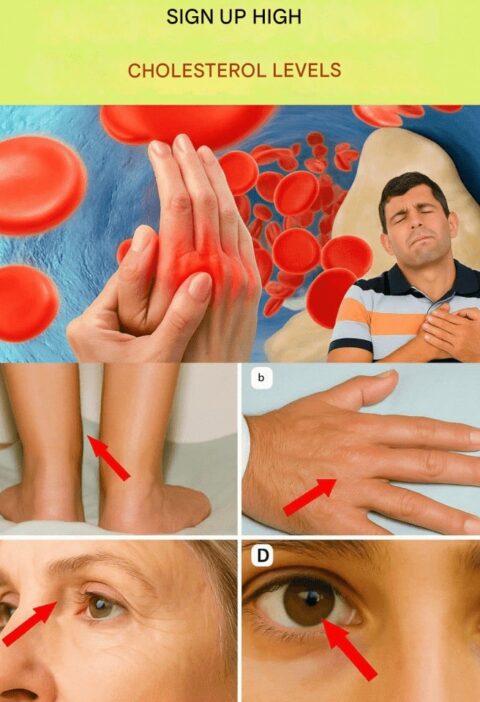
4. Maintain healthy cholesterol levels
Follow medical advice regarding diet and medications.
5. Exercise regularly
Aim for consistent physical activity most days of the week.
6. Eat a heart-healthy diet
Emphasize vegetables, fruits, whole grains, legumes, and healthy fats.
7. Maintain a healthy weight
Excess weight increases the risk of stroke and cardiovascular disease.
8. Limit excessive alcohol intake
Heavy drinking increases stroke risk.
9. Take prescribed medications as directed
Especially medicines for blood pressure, cholesterol, heart rhythm disorders, or diabetes.