9 Early Signs of Stroke That May Appear Before a Major Event: What Seniors Should Know
Part 1: Understanding Possible Early Warning Signals and Risk Awareness
(Original, Copyright-Free, SEO-Optimized Health Content)
Can a Stroke Really Give Warning Signs a Week Before?
You may have seen alarming posts suggesting that a stroke always shows clear warning signs several days or even a week in advance. While this sounds simple, real medical science is more complex.
A stroke often happens suddenly, but in some cases, the body may show early warning signs caused by reduced blood flow to the brain. These can appear hours, days, or sometimes before a more serious event.
One of the most important possible warning events is a transient ischemic attack (TIA), also known as a “mini-stroke.” A TIA may resolve quickly but can signal a higher risk of a full stroke in the near future.
Because of this, recognizing early symptoms is critical—especially for seniors and people with risk factors.
Why Early Stroke Symptoms Matter
A stroke occurs when blood flow to the brain is blocked or reduced. Without oxygen, brain cells begin to die within minutes.
Early symptoms matter because they may indicate:
- Reduced blood circulation in the brain
- Narrowed or blocked arteries
- Increased risk of a future stroke
- Underlying cardiovascular problems
Even temporary symptoms should never be ignored.
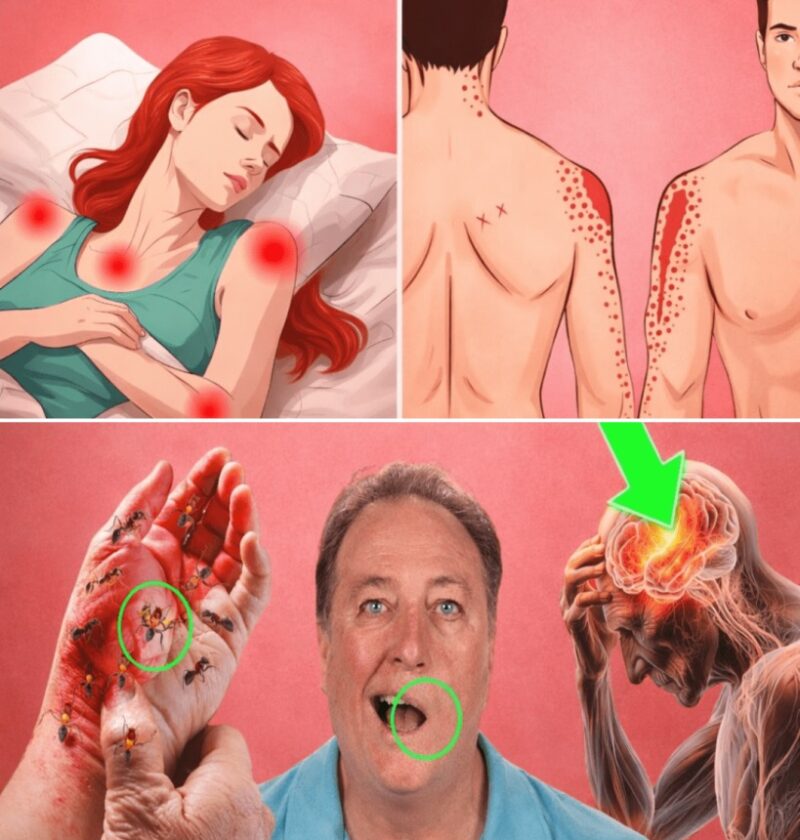
9 Possible Early Warning Signs of Stroke
1. Sudden Weakness in One Side of the Body
Feeling weakness in the arm, leg, or face—especially on one side—may be an early warning sign.
2. Brief Numbness or Tingling
Temporary numbness in the face, arm, or leg can indicate reduced blood flow to the brain.
3. Slurred or Confused Speech
Difficulty speaking clearly or understanding others may appear before a major stroke.
4. Sudden Vision Changes
Blurred vision, double vision, or partial vision loss in one eye should be taken seriously.
5. Unexplained Dizziness or Balance Problems
Feeling unsteady, dizzy, or having trouble walking can be an early neurological sign.
6. Severe or Unusual Headache
A sudden, intense headache without a known cause may indicate a serious issue.
7. Memory Confusion or Mental Fog
Difficulty focusing, confusion, or trouble recognizing surroundings can be an early warning.
8. Temporary Loss of Coordination
Problems with hand movement, writing, or simple tasks may appear briefly before a stroke.
9. Short Episodes of Stroke-Like Symptoms (TIA)
Symptoms that appear and disappear quickly may indicate a transient ischemic attack, which is a strong warning sign of future risk.
Important: Not All Symptoms Mean Stroke Is Imminent
These symptoms can also be caused by other conditions such as:
- Low blood pressure
- Migraines
- Blood sugar fluctuations
- Inner ear balance issues
- Stress or fatigue
However, because stroke is a medical emergency, any sudden neurological symptom should be checked immediately.
Major Stroke Risk Factors in Seniors
Certain conditions increase the likelihood of stroke, including:
- High blood pressure
- Diabetes
- High cholesterol
- Heart disease
- Smoking
- Obesity
- Lack of physical activity
- Family history of stroke
Managing these risks can significantly reduce chances of stroke.
The FAST Rule for Emergency Recognition
Doctors recommend remembering FAST:
- F – Face: drooping or uneven smile
- A – Arms: inability to raise both arms evenly
- S – Speech: slurred or strange speech
- T – Time: seek emergency help immediately
Time is critical for treatment and recovery.
When to Seek Immediate Medical Help
Call emergency services if someone experiences:
- Sudden weakness or numbness
- Trouble speaking or understanding
- Vision loss
- Severe headache
- Loss of balance
Do not wait for symptoms to disappear.
The Bottom Line
While stroke often happens suddenly, some people may experience early warning signs caused by reduced blood flow or transient ischemic attacks. These signs can appear days or even weeks before a major event, but they are not guaranteed or predictable.
The safest approach is always awareness, early action, and medical evaluation.
See More
Sometimes the body gives quiet warning signals—not to predict the future, but to ask for urgent attention in the present.
Part 2: Simple Brain & Heart Support Drink
Antioxidant Berry Citrus Smoothie
Ingredients
- 1/2 cup blueberries or mixed berries
- 1 orange (peeled)
- 1/2 cup water or coconut water
- 1 teaspoon lemon juice
- 1 teaspoon honey (optional)
Instructions
- Add all ingredients to a blender.
- Blend until smooth.
- Serve fresh and chilled.
Preparation Time
5 minutes
Category
Heart Health Drink • Brain Support Smoothie • Antioxidant Beverage