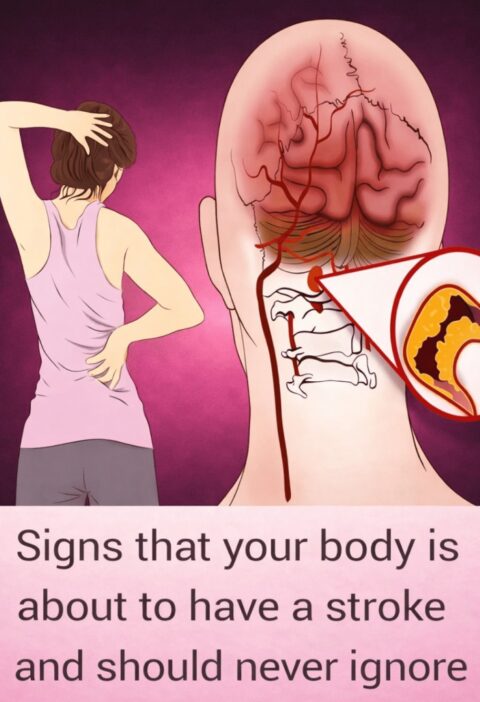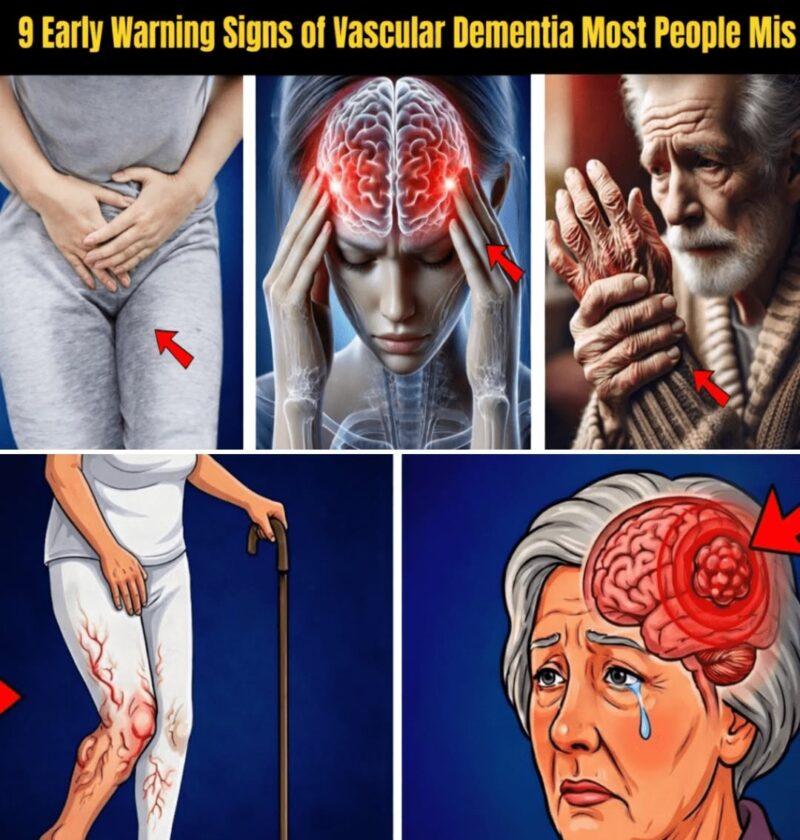
That headline uses a common clickbait formula—“especially number 3”—but the topic itself is real. Vascular dementia is a type of dementia caused by reduced blood flow to the brain, often related to strokes or damage to small blood vessels.
Early signs that can occur
Symptoms vary, but some early signs may include:
- Difficulty planning or organizing
- Trouble managing finances, schedules, or multi-step tasks.
- Slower thinking
- Taking noticeably longer to process information or make decisions.
- Problems with attention and concentration
- Becoming easily distracted or struggling to stay focused.
- Memory difficulties
- Often milder at first than in some other dementias, but still noticeable.
- Confusion or disorientation
- Especially in unfamiliar situations.
- Mood or personality changes
- Increased irritability, apathy, depression, or emotional changes.
- Difficulty with judgment
- Making poor decisions that are out of character.
- Changes in walking or balance
- Slower gait, unsteadiness, or more frequent falls can occur in some people.
- Urinary urgency or incontinence
- Sometimes seen alongside cognitive changes, especially in certain patterns of vascular brain disease.
Important reality check
None of these signs alone proves someone has Vascular dementia. Similar symptoms can be caused by:
- Depression
- Medication side effects
- Sleep disorders
- Vitamin deficiencies
- Thyroid problems
- Other neurological conditions
What raises concern is when symptoms are persistent, worsening, and affecting daily life.
Risk factors
The same things that increase the risk of stroke can increase the risk of vascular dementia:
- Hypertension
- Type 2 diabetes
- Smoking
- High cholesterol
- Prior strokes or transient ischemic attacks (TIAs)
Bottom line
The headline is trying to generate clicks, but the underlying condition is real. Early vascular dementia often shows up as problems with attention, planning, processing speed, and everyday functioning, not just memory loss.
If you’re asking because of symptoms in yourself or someone else, tell me what changes you’ve noticed and I can help you understand whether they sound concerning and what evaluations are typically recommended.