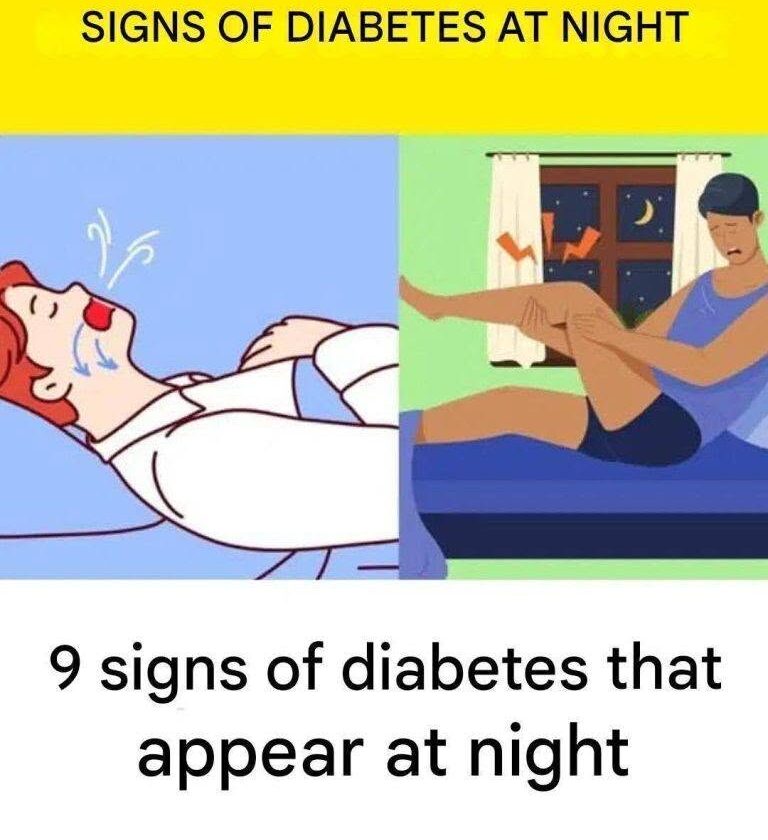
Understanding How Diabetes Can Affect Your Body While You Sleep
Many people associate diabetes symptoms with daytime issues such as increased thirst or frequent urination. However, the effects of high blood sugar don’t stop when you go to bed. In fact, some of the earliest warning signs of diabetes become most noticeable during the night.
Diabetes Mellitus affects how the body processes glucose, its primary source of energy. When blood sugar levels remain too high for extended periods, various symptoms can develop, some of which may interfere with sleep quality and overall health.
Recognizing these nighttime symptoms can encourage earlier medical evaluation and treatment, potentially reducing the risk of long-term complications.
Why Diabetes Symptoms Often Become More Noticeable at Night
During sleep, the body continues to regulate blood sugar levels. If insulin production or insulin sensitivity is impaired, glucose may accumulate in the bloodstream. This can trigger symptoms that wake a person from sleep or make restful sleep difficult to achieve.
Because nighttime is generally quiet and free from daytime distractions, many people become more aware of subtle symptoms that might otherwise go unnoticed.
1. Frequent Nighttime Urination
One of the most common signs of diabetes is waking up multiple times to urinate.
When blood sugar levels become elevated, the kidneys work harder to remove excess glucose from the bloodstream. This process increases urine production, often leading to repeated trips to the bathroom during the night.
If nighttime urination becomes frequent and persistent, it may warrant medical evaluation.
2. Excessive Thirst During the Night
People with uncontrolled blood sugar often experience intense thirst.
Frequent urination causes the body to lose fluids, leading to dehydration. As a result, individuals may wake up repeatedly feeling the need to drink water.
Persistent nighttime thirst should not be ignored, especially when combined with other symptoms.
3. Night Sweats
Although night sweats can occur for many reasons, they may sometimes be associated with blood sugar fluctuations.
In particular, low blood sugar episodes during sleep can trigger sweating, shakiness, and sudden awakenings.
Individuals who frequently wake up drenched in sweat should discuss these symptoms with a healthcare professional.
4. Restless or Interrupted Sleep
Poor blood sugar control can interfere with sleep quality.
People may wake frequently due to thirst, urination, discomfort, or changes in blood glucose levels. Over time, this can result in chronic fatigue and daytime sleepiness.
Healthy sleep is essential for proper metabolic function, making sleep disturbances an important symptom to recognize.
5. Tingling or Burning Sensations in the Feet
Elevated blood sugar can damage nerves over time, a condition known as diabetic neuropathy.
Some people notice:
- Tingling sensations
- Burning feelings
- Numbness
- Pins-and-needles discomfort
These symptoms often become more noticeable at night when there are fewer distractions.
6. Leg Cramps During Sleep
Nighttime muscle cramps may occasionally occur in people with diabetes.
Poor circulation, nerve damage, or electrolyte imbalances associated with blood sugar issues can contribute to muscle discomfort and cramping.
Recurring cramps should be discussed with a healthcare provider.
7. Unexplained Hunger Before Bed or During the Night
Despite having elevated blood sugar, cells may struggle to access glucose effectively.
As a result, the body may continue signaling hunger even after meals. Some individuals experience unusual nighttime hunger or cravings that seem difficult to satisfy.
8. Morning Headaches
Blood sugar fluctuations during the night may contribute to waking with headaches.
Although headaches can have many causes, frequent morning headaches combined with other diabetes symptoms may indicate a need for blood sugar testing.
9. Persistent Fatigue After a Full Night’s Sleep
One of the hallmark symptoms of diabetes is ongoing tiredness.
Even after spending adequate time in bed, individuals may wake feeling exhausted because their bodies are not efficiently using glucose for energy.
When fatigue persists without a clear explanation, further evaluation may be beneficial.
Who Should Pay Extra Attention to These Symptoms?
Certain individuals have a higher risk of developing diabetes, including:
- People with a family history of diabetes
- Those who are overweight or obese
- Individuals with high blood pressure
- People with a sedentary lifestyle
- Adults over age 45
Experiencing several of these symptoms does not automatically mean diabetes is present, but it does justify discussing concerns with a healthcare professional.
When to Seek Medical Advice
You should consider speaking with a healthcare provider if you regularly experience:
- Frequent nighttime urination
- Excessive thirst
- Unexplained fatigue
- Numbness or tingling
- Repeated sleep disturbances
Simple blood tests can help determine whether blood sugar levels are within a healthy range.