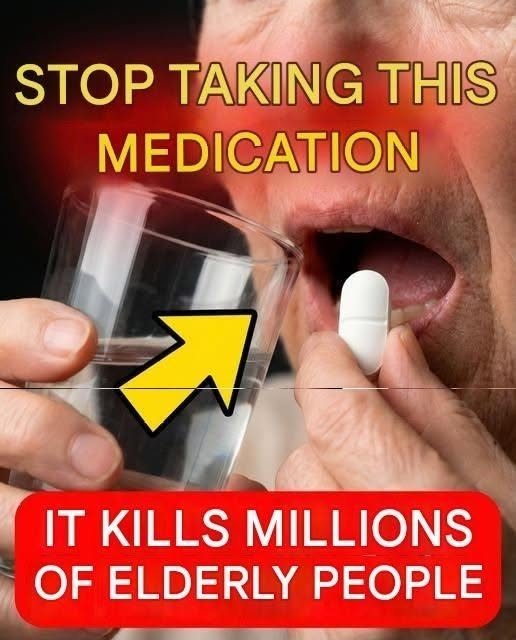
That kind of post is almost always social media exaggeration. There is no universal list of “5 medications that increase heart attack and stroke risk in older people” that applies broadly to everyone.
What is true is more nuanced: certain medications can increase cardiovascular risk in specific people, at specific doses, or with long-term use, especially in older adults who already have heart disease, kidney disease, or multiple prescriptions.
Here are the main real medication groups doctors are cautious about:
1) Non-steroidal anti-inflammatory drugs (NSAIDs)
Examples: ibuprofen, diclofenac, naproxen (high-dose or long-term use)
Risks in some people:
- Can raise blood pressure
- Increase risk of heart attack or stroke in high-risk patients
- Can worsen kidney function
Short-term, occasional use is usually safer in otherwise healthy people.
2) Certain decongestants
Examples: pseudoephedrine (cold and flu tablets)
Risks:
- Can raise blood pressure and heart rate
- May trigger palpitations or chest discomfort in susceptible people
3) Some diabetes medications (older or specific cases)
Not all, but certain drugs may require caution depending on heart condition.
Important context:
- Many newer diabetes drugs actually reduce cardiovascular risk
- Risk depends heavily on the specific medication and patient history
4) Hormone-related medications (in specific cases)
Examples: some estrogen therapies
Risks:
- May slightly increase risk of blood clots in certain populations
- Risk varies based on age, dose, and health status
5) Stimulant medications
Examples: some ADHD medications or high caffeine-containing combinations
Risks:
- Increased heart rate and blood pressure
- Can be risky in people with existing heart disease if not monitored
Key reality check
- These drugs are not “dangerous” by default
- They are widely used because benefits often outweigh risks
- Problems usually happen when:
- Dose is too high
- Used long-term without monitoring
- Combined with other risk factors (age, smoking, hypertension, kidney disease)
Bottom line
No cardiologist is warning that “5 medications cause heart attacks” in a blanket sense. The real medical message is:
Certain commonly used drugs can increase cardiovascular risk in vulnerable patients if not used carefully.
If you want, I can break down the most dangerous drug combinations in older adults (the ones doctors actually worry about in practice)—that’s usually more useful than viral lists.