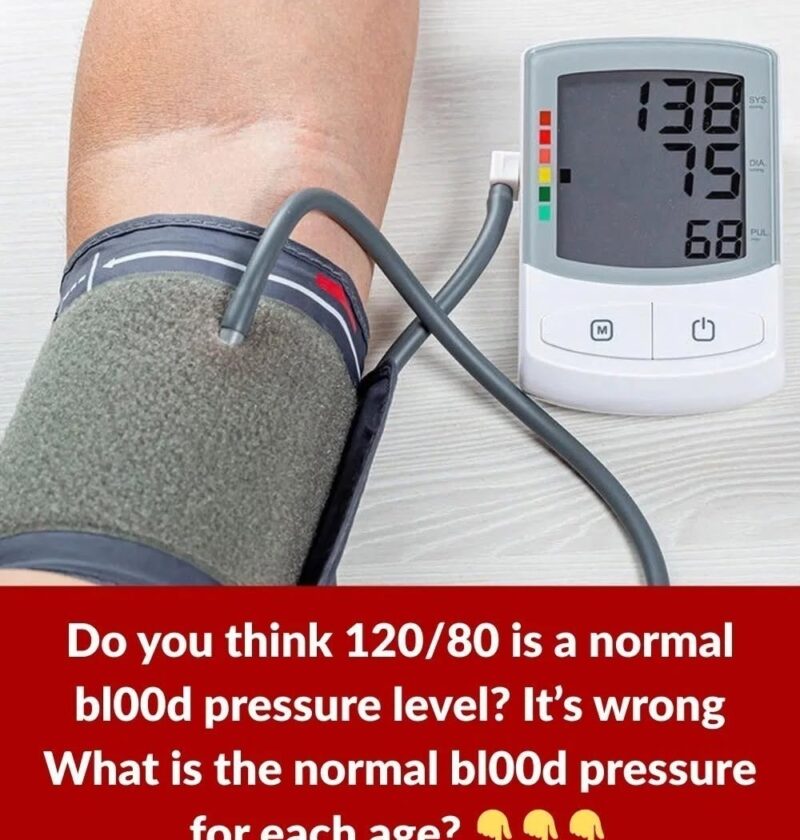
Blood pressure changes a bit with age, but doctors today generally agree that there is one healthy target range for most adults, rather than very different “normal” numbers for each age group.
Blood pressure is measured in:
- Systolic (top number) = pressure when the heart beats
- Diastolic (bottom number) = pressure when the heart rests
The condition of concern when it stays high is called Hypertension.
✅ General “normal” blood pressure (most ages)
- Normal: around 120/80 mmHg
- Healthy range: about 90/60 to 120/80
- Elevated: 120–129 / <80
- High blood pressure: 130/80 or higher (depending on guidelines)
👶 Children (approximate ranges vary by height/age)
- Toddlers: ~90–105 / 55–70
- School-age: ~95–110 / 60–75
- Teenagers: gradually approach adult range (~110–120 / 70–80)
👉 In children, doctors use percentile charts, not a single fixed number.
👩 Adults (18–59 years)
- Ideal: <120 / <80
- Normal range: 90–120 / 60–80
- Anything consistently ≥130/80 may be hypertension
👴 Older adults (60+ years)
- Common “acceptable” target: around <130–140 / <80–90
- Many healthy older adults still aim for <130/80 if tolerated
👉 Slightly higher readings can occur with age due to stiffer arteries, but very high values are still harmful.
⚠️ When blood pressure is dangerous
- Low blood pressure: <90/60 (if symptoms like dizziness or fainting)
- High (stage 2 hypertension): ≥140/90
- Hypertensive crisis: ≥180/120 (emergency)
🧠 Key takeaway
- There is no separate “perfect number for every age”
- The closer to 120/80, the better for most people
- Consistently high readings matter more than one-off results