Common Mistakes That Affect Balance in Older Adults (Fall Risk & Stability Guide)
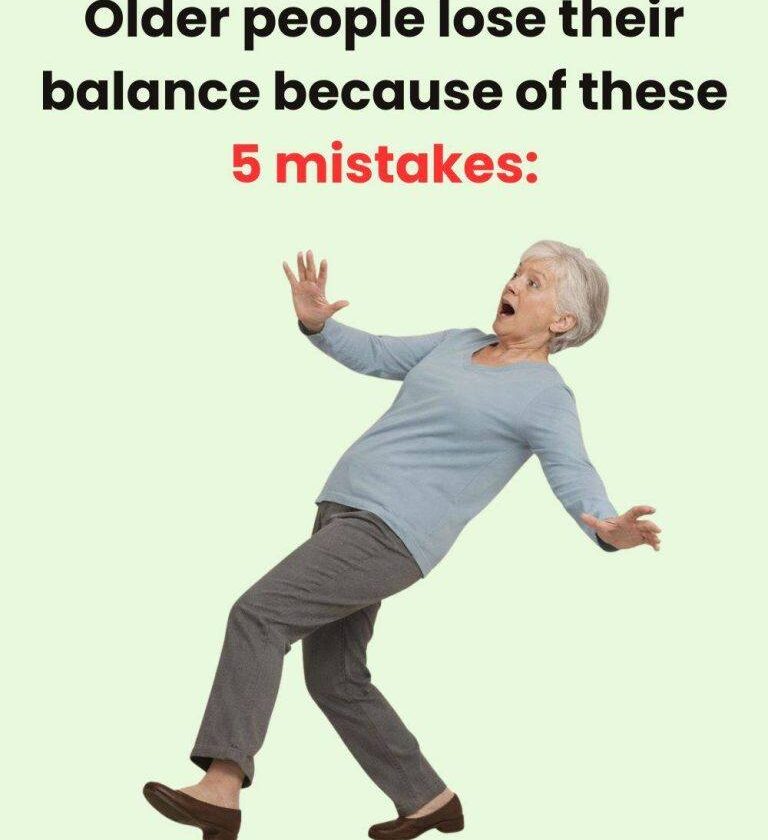
Balance problems in older adults are a major health concern because they increase the risk of falls, fractures, and loss of independence. While aging naturally affects strength and coordination, many balance issues are also linked to preventable lifestyle and health mistakes.
Below are the most common errors that can negatively affect stability and increase fall risk.
🧓 1. Physical Inactivity and Weak Muscles
One of the biggest contributors to poor balance is lack of regular movement.
Why it matters:
- Weak leg and core muscles reduce stability
- Reduced coordination and reaction time
- Stiff joints make movement less controlled
Result:
Increased risk of stumbling, slipping, or losing balance during daily activities.
💊 2. Ignoring Medication Side Effects
Many older adults take multiple medications, some of which can affect balance.
Common side effects:
- Dizziness
- Low blood pressure
- Drowsiness
- Slowed reaction time
Risky medication types may include:
- Blood pressure medicines
- Sedatives or sleep aids
- Some painkillers
👁️ 3. Poor Vision Care
Vision plays a critical role in maintaining balance.
Mistakes include:
- Not updating eyeglass prescriptions
- Ignoring cataracts or eye conditions
- Poor lighting in living spaces
Impact:
Difficulty judging distance, steps, or obstacles.
🏠 4. Unsafe Home Environment
Many falls happen at home due to preventable hazards.
Common risks:
- Loose rugs or carpets
- Wet or slippery floors
- Cluttered walkways
- Poor lighting at night
🥗 5. Poor Nutrition and Dehydration
Diet directly affects muscle strength and balance.
Key problems:
- Low calcium and vitamin D intake
- Poor protein consumption
- Dehydration leading to dizziness
Result:
Weaker bones, reduced energy, and instability.
🧠 6. Ignoring Dizziness or Balance Symptoms
Some people ignore early warning signs.
Symptoms may include:
- Frequent dizziness
- Lightheadedness
- Unsteady walking
- Feeling “off balance”
These can indicate underlying conditions such as blood pressure issues or inner ear problems.
🦶 7. Wearing Unsafe Footwear
Footwear plays a major role in stability.
Mistakes:
- Slippers without grip
- Loose-fitting shoes
- High heels or unstable soles
Better choice:
- Non-slip, supportive shoes with proper fit
🧠 8. Skipping Balance or Strength Exercises
Balance naturally declines without training.
Common issue:
- No stretching or strengthening routine
- Avoiding physical activity due to fear of falling
Safe exercises include:
- Walking
- Chair exercises
- Gentle yoga or tai chi
🩺 9. Not Treating Underlying Health Conditions
Certain medical issues directly affect balance.
Examples:
- Diabetes (nerve damage)
- Parkinson’s disease
- Inner ear disorders
- Low blood pressure
Ignoring treatment increases instability risk.
⚠️ Final Safety Reminder
Balance problems are not just part of aging—they are often influenced by lifestyle choices, medical conditions, and environmental safety. Identifying and correcting these mistakes can significantly reduce fall risk.