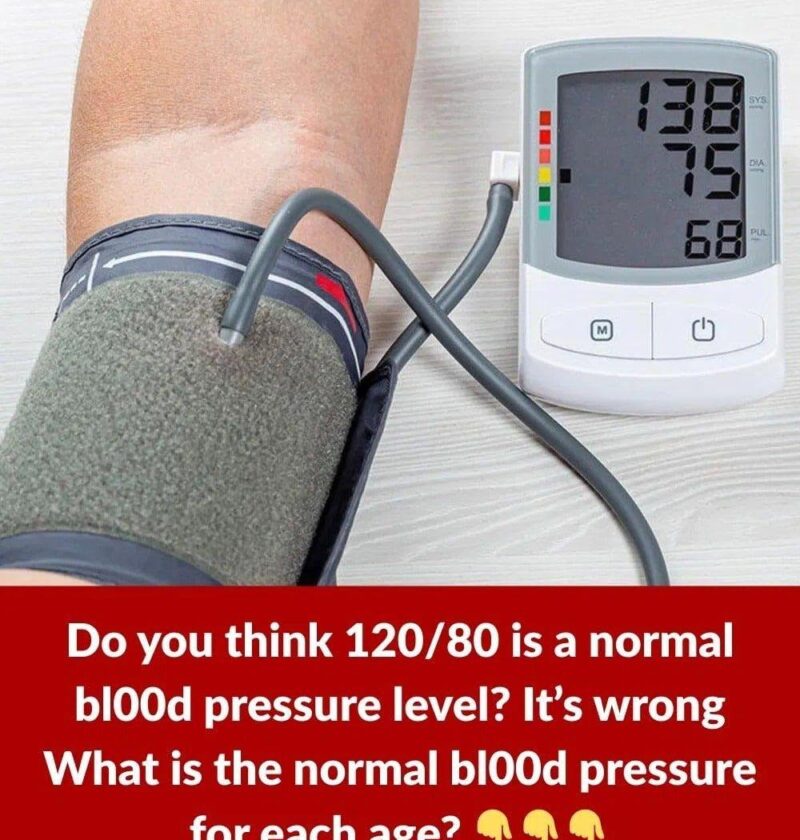
Blood pressure naturally changes throughout life, but modern medical guidelines generally use the same adult targets regardless of age. In the past, higher readings were often considered acceptable in older adults, but current recommendations aim for healthy blood pressure across adulthood.
Normal Blood Pressure by Age
| Age Group | Typical Healthy Blood Pressure |
|---|---|
| Newborn (0–1 month) | 60–90 / 20–60 mmHg |
| Infant (1–12 months) | 80–100 / 55–65 mmHg |
| Child (1–5 years) | 95–110 / 60–75 mmHg |
| Child (6–12 years) | 100–120 / 60–75 mmHg |
| Teen (13–17 years) | Less than 120 / 80 mmHg |
| Adults (18+ years) | Less than 120 / 80 mmHg |
Adult Blood Pressure Categories
| Category | Systolic (Top Number) | Diastolic (Bottom Number) |
|---|---|---|
| Normal | Less than 120 | Less than 80 |
| Elevated | 120–129 | Less than 80 |
| High Blood Pressure (Stage 1) | 130–139 | 80–89 |
| High Blood Pressure (Stage 2) | 140 or higher | 90 or higher |
| Hypertensive Crisis | 180 or higher | 120 or higher |
What the Numbers Mean
- Systolic pressure (top number): pressure when the heart contracts.
- Diastolic pressure (bottom number): pressure when the heart relaxes between beats.
Examples
- 110/70 mmHg → Excellent for most adults.
- 118/78 mmHg → Normal.
- 128/76 mmHg → Elevated.
- 135/85 mmHg → Stage 1 hypertension.
- 145/95 mmHg → Stage 2 hypertension.
For Older Adults
A healthy older adult may commonly measure around 120–130/70–80 mmHg, but persistent readings above 130/80 mmHg should be discussed with a healthcare provider. Treatment decisions often take into account age, symptoms, medications, and overall cardiovascular risk.
If you’d like, tell me your age and a recent blood pressure reading, and I can help interpret it.