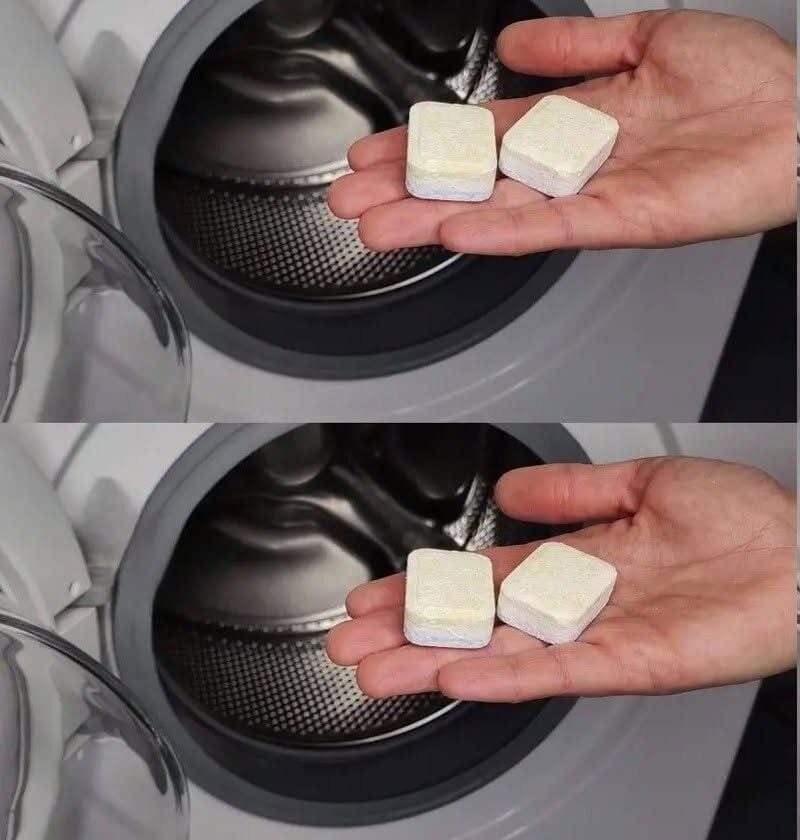
A washing machine can accumulate detergent residue, fabric softener buildup, lint, mold, mildew, and mineral deposits. Cleaning it can help reduce odors and improve washing performance. However, there is no single trick that will make “all the dirt come out.”
A practical way to clean a washing machine
1. Clean the detergent drawer
- Remove the drawer if possible.
- Wash away detergent and softener residue with warm water and a brush.
2. Clean the door seal (front-load machines)
- Wipe inside the rubber gasket.
- Check for trapped lint, hair, and moisture.
- Dry the area afterward.
3. Clean the filter
- Consult the machine’s manual.
- Remove debris such as lint, coins, or small objects.
4. Run a cleaning cycle
You can use:
- A commercial washing machine cleaner, or
- A hot-water cleaning cycle as recommended by the manufacturer
Always follow the appliance manufacturer’s instructions.
5. Leave the door open after washing
Allowing the drum to dry helps prevent mold and mildew growth.
Common causes of bad-smelling laundry
If clothes still smell after washing, the cause is often:
- Mold or mildew in the machine
- Too much detergent
- Leaving wet clothes sitting too long
- Washing at low temperatures only
- A clogged filter or drain
What to avoid
Some internet tips recommend large amounts of vinegar, bleach, or other cleaners. These can damage certain machine components if used improperly. Follow your machine manufacturer’s guidance before using them.
Bottom line
Cleaning the detergent drawer, seal, filter, and running a proper cleaning cycle can significantly reduce odors and buildup. It won’t magically remove “all the dirt,” but regular maintenance can make a noticeable difference in how fresh your laundry smells.