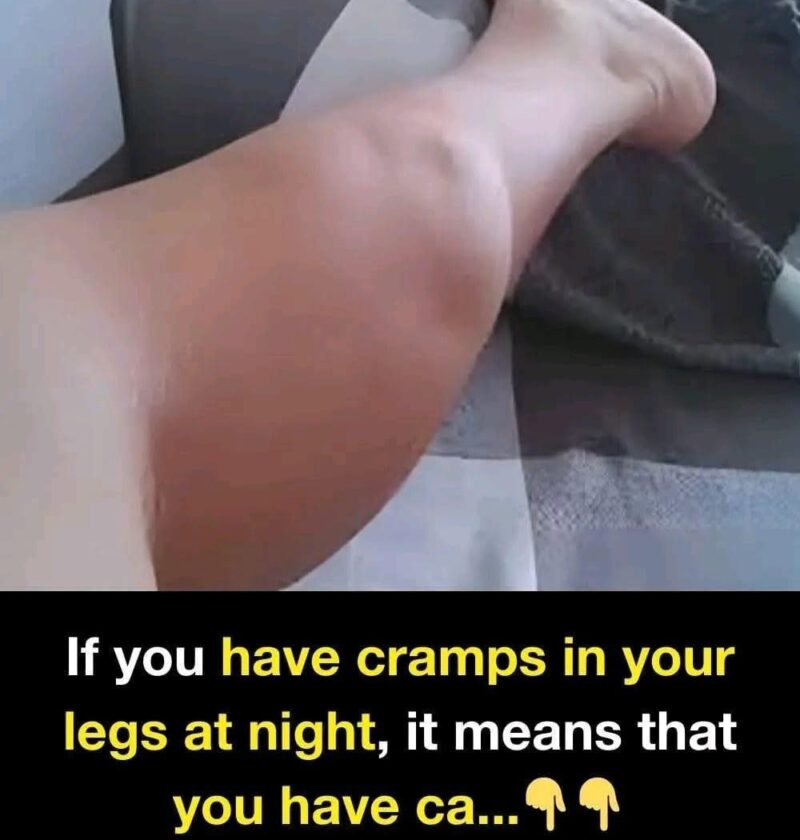
Night cramps (often called “night leg cramps”) are sudden, painful muscle contractions that usually happen in the calves or feet during sleep. They’re common and usually harmless, but some people are more likely to experience them than others.
Here’s who is most at risk:
1. Older adults
Risk increases with age due to:
- Natural muscle loss (sarcopenia)
- Reduced circulation
- More medication use
Night cramps are especially common after age 50.
2. Pregnant people
Especially in the second and third trimesters:
- Increased pressure on leg muscles and blood vessels
- Changes in mineral balance (magnesium, calcium)
3. People who are dehydrated
Not drinking enough fluids can affect muscle function and increase cramp risk.
4. People with poor circulation
Conditions that reduce blood flow to the legs can contribute, such as peripheral artery issues.
5. Those who do little or excessive physical activity
- Too little movement → muscles become stiff
- Too much exercise → muscle fatigue and strain
6. People with certain medical conditions
Higher risk is seen in:
- Diabetes
- Nerve disorders
- Kidney disease
- Thyroid disorders
7. People taking certain medications
Some medicines can increase cramping, including:
- Diuretics (“water pills”)
- Some asthma medications
- Statins (in some cases)
(For example, cholesterol medicines like Atorvastatin can rarely contribute to muscle symptoms.)
8. Mineral imbalance
Low levels of:
- Magnesium
- Potassium
- Calcium
may contribute, though the relationship isn’t always direct.
When to be concerned
Most night cramps are harmless, but see a doctor if:
- They happen very frequently
- They are severe or worsening
- You also have swelling, weakness, or numbness
- They disrupt sleep regularly
Bottom line
Night cramps are most common in older adults, pregnant individuals, people with certain medical conditions, and those with lifestyle or medication-related risk factors. In most cases, they are uncomfortable but not dangerous.
If you want, I can also explain simple ways to stop a cramp immediately and prevent them from coming back at night.