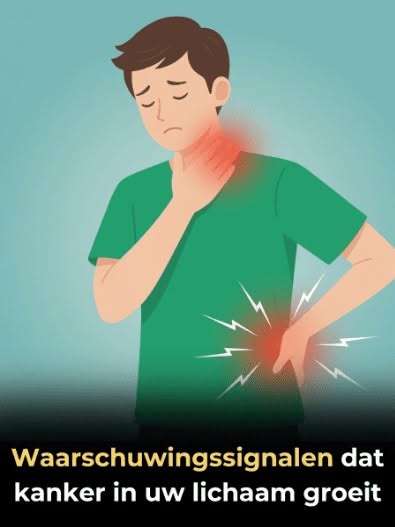
The idea behind posts like this is understandable, but they’re often written in a fear-based and oversimplified way. There is no reliable set of “5 body changes” that specifically confirm early cancer on their own.
However, there are some persistent, unexplained changes that doctors take seriously and may investigate further.
Here are 5 general warning signs that can sometimes be associated with early cancer (but also many other harmless conditions):
1. Unexplained weight loss
Losing weight without diet or exercise changes can be a red flag, especially if it is:
- Rapid (over weeks to months)
- More than ~5 kg or 5% of body weight
Can be linked to many conditions, not just cancer (thyroid issues, infections, etc.).
2. Persistent fatigue
Extreme tiredness that:
- Doesn’t improve with rest
- Lasts for weeks
Can be seen in cancers like blood cancers, but also in anemia or stress.
3. Unusual lumps or swelling
Any new lump that:
- Grows over time
- Feels hard or fixed
- Doesn’t go away
Should always be checked by a doctor.
4. Persistent pain without clear cause
Pain that:
- Doesn’t improve
- Gets worse over time
- Has no obvious injury explanation
Can occur in many conditions, not specific to cancer.
5. Changes in skin, bowel, or bladder habits
Examples include:
- A mole changing shape or color
- Blood in stool or urine
- Long-term changes in bowel habits (constipation/diarrhea)
- Persistent cough or hoarseness
These symptoms always deserve medical evaluation if they persist.
🧠 Important reality check
Cancer does not have a simple checklist of early visible signs. Many symptoms are:
- Non-specific
- Shared with harmless conditions
- Only meaningful when persistent or combined
⚠️ When to see a doctor
Seek medical advice if:
- Symptoms last more than 2–3 weeks
- They are getting worse
- You notice multiple unexplained changes together
🟢 Bottom line
There are no guaranteed “5 signs of early cancer”, only general warning symptoms that need proper medical evaluation—not self-diagnosis from social media posts.
If you want, I can also explain which cancer symptoms are most often mistaken for harmless issues, so you know what actually deserves attention and what usually doesn’t.