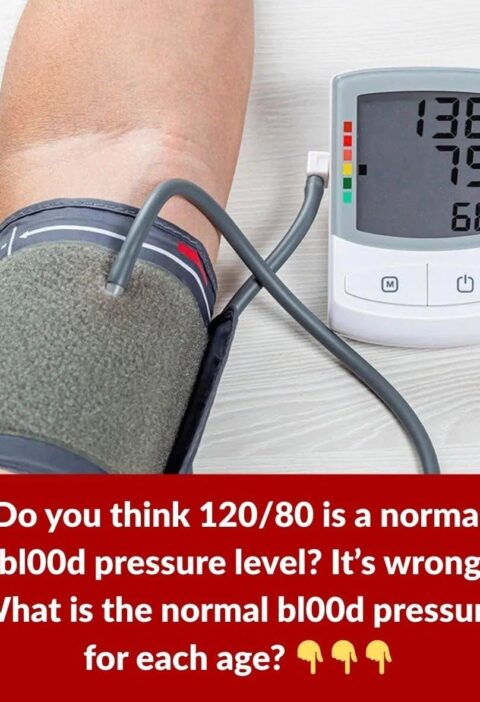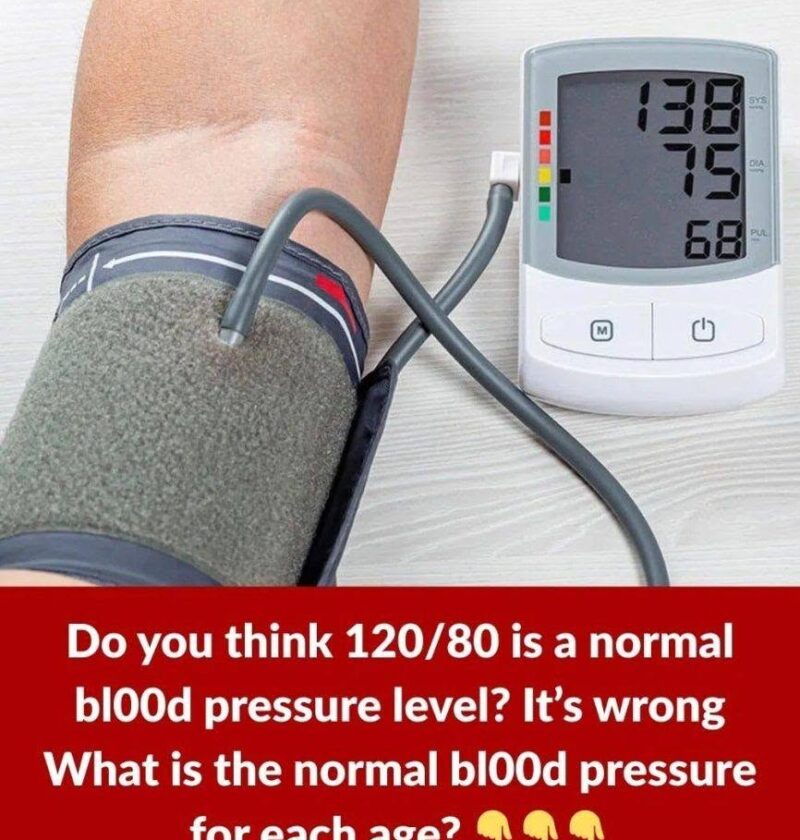
There isn’t a separate “perfect blood pressure for every single age,” but there are general normal ranges that apply to most adults, with some differences for children and older adults.
Blood pressure is written like: 120/80 mmHg
- Top number = systolic (pressure when heart beats)
- Bottom number = diastolic (pressure when heart rests)
🧒 Children (approximate ranges)
Normal varies a lot by age, height, and sex, but general idea:
- 1–5 years: ~95–110 / 55–75 mmHg
- 6–13 years: ~100–120 / 60–80 mmHg
- 14–17 years: ~110–130 / 65–85 mmHg
🧑 Adults (18–59 years)
High blood pressure guidelines (general):
- Normal: less than 120 / 80 mmHg
- Elevated: 120–129 / less than 80
- High (Stage 1): 130–139 / 80–89
- High (Stage 2): 140+ / 90+
- Hypertensive crisis: 180+ / 120+ (emergency)
👴 Older adults (60+ years)
- Still generally aim for below 130/80
- Some doctors may accept slightly higher targets depending on health conditions (kidney disease, frailty, etc.)
⚠️ Important facts people often misunderstand
- “Normal changes with age” is not a license for high BP
- Even in older age, lower controlled BP usually reduces stroke and heart risk
- One reading is not enough—BP should be measured multiple times
🧠 When to worry
- Consistently above 130/80 → should be monitored
- Above 140/90 repeatedly → likely hypertension
- Sudden very high readings with symptoms (chest pain, headache, dizziness) → urgent care
🟢 Bottom line
A healthy target for most people is:
Below 120/80 mmHg
Age can slightly change interpretation, but high blood pressure is not considered normal at any age.
If you want, I can also explain how to measure blood pressure correctly at home so you don’t get false readings.