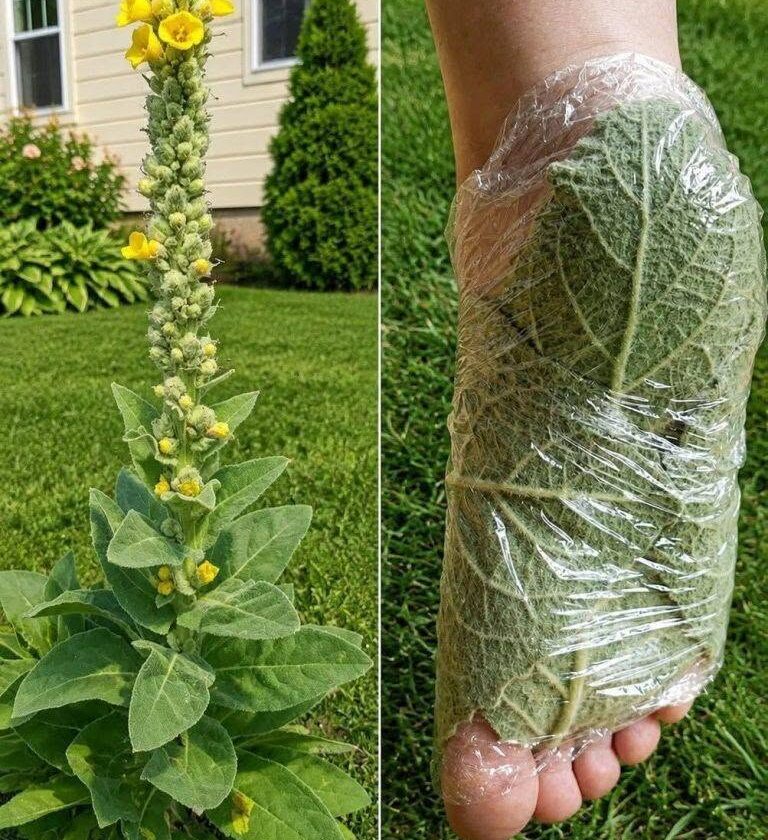
That line is still a vague, clickbait-style description. It doesn’t refer to one specific plant—many posts use wording like this to create mystery and then promote a “miracle” claim.
🌿 What it usually refers to
When people say “a plant that grows in many gardens and has been used for generations”, they could mean many common plants, for example:
- Nettle (used in traditional herbal teas and soups)
- Dandelion (used in traditional remedies and salads)
- Aloe vera (used for skin soothing)
- Mint (digestive and culinary use)
But the problem is: these posts rarely name the plant clearly on purpose.
🧠 What’s true vs exaggerated
✔️ True
Some common garden plants:
- Have traditional medicinal or culinary uses
- Contain compounds that may support digestion, skin, or inflammation
- Have been used in folk medicine for centuries
❌ Exaggerated claims (typical of these posts)
- “Cures all diseases”
- “Never remove this plant or you’ll regret it”
- “One plant replaces medicine”
- “Secret remedy doctors don’t tell you”
These are not scientifically reliable claims.
🌱 Important reality
Just because a plant:
- Grows easily in gardens
- Has been used traditionally
Does NOT mean:
- It is safe in all amounts
- It treats serious diseases
- It should never be removed
Even natural plants can have side effects or toxic compounds depending on use.
🟢 Bottom line
This type of sentence is intentionally vague viral content. The real truth depends entirely on which plant is being discussed, and there is no single “miracle garden plant.”
If you want, you can paste the full post or show a photo—I can identify the exact plant and tell you what it actually does (and whether the claims are real or fake).